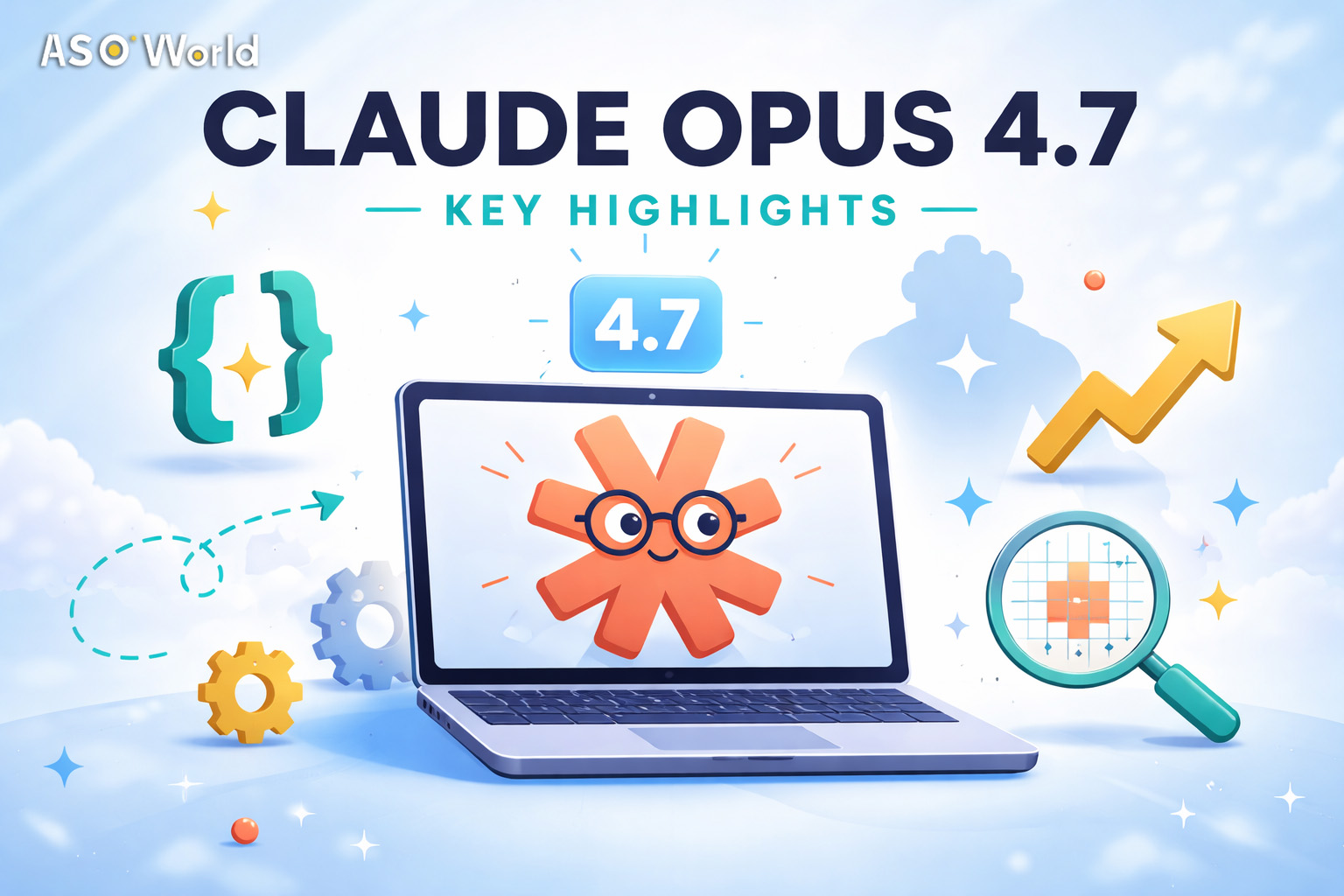

Anthropic’s Opus 4.7 is a major update to the company’s AI model lineup, offering a significant boost in its coding capabilities, memory retention, and visual processing. Aimed at enhancing developer workflows, financial analysis, and complex decision-making, this model represents a step forward in AI-driven automation. But does it meet the growing demands of modern users?
Unmatched Instruction Execution and Memory
Opus 4.7 brings higher precision and efficiency when it comes to following complex instructions. Developers now have an AI tool capable of handling multi-step tasks with minimal input. However, with the boom in AI coding, the competition for app submissions has also surged, making it harder for new apps to stand out in 2026. The model’s enhanced memory allows it to remember multi-phase projects, applying prior learnings to new challenges, significantly reducing the need for repeated context input. This feature alone streamlines coding sprints and large-scale software development tasks, offering developers more time for innovation.

Revolutionary Visual Processing for Multi-Modal Tasks
Another highlight of Opus 4.7 is its superior visual processing capabilities. With the ability to process images up to 2576 pixels, it’s three times more powerful than previous models. This upgrade is especially useful for data analysts and developers who need to extract meaningful insights from complex charts or screenshots. The model’s visual acuity can now assist in multi-modal tasks, allowing users to analyze both textual data and visual content in tandem.
Efficiency Gains for Financial Analysts
For those in finance, Opus 4.7 provides a major boost in productivity. Its ability to automate the generation of financial models and detailed reports enables users to analyze complex data quickly, cutting down on manual work and reducing human error. This makes it an ideal tool for financial professionals who need to process large datasets and generate presentations without wasting time.
Challenges: Behavioral Inconsistencies and Reliability Issues
While Opus 4.7 offers considerable advancements, it still faces behavioral inconsistencies in some areas. Despite improvements in resisting malicious prompts, users have reported that some complex queries still lead to inaccurate or non-optimal responses. Additionally, while the model excels in many domains, it lacks specialization in highly niche areas such as advanced research or specific industry applications, which may limit its use for certain developers or professionals.
Comments
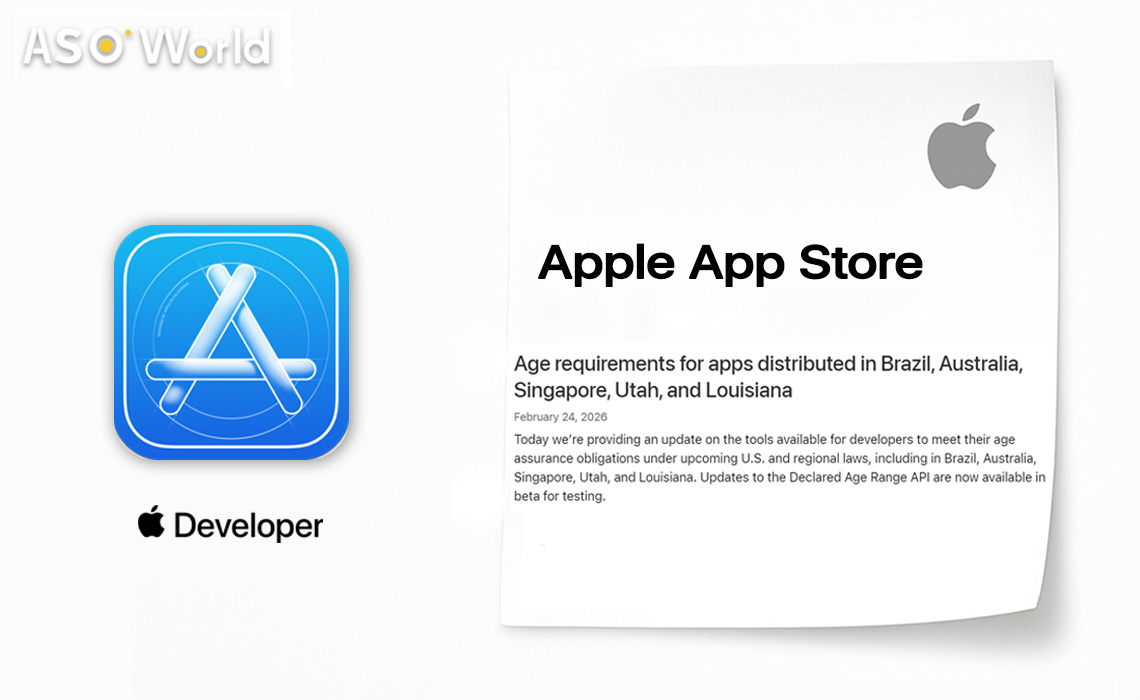
The Opus 4.7 model delivers on many promises, offering a major upgrade for developers and analysts seeking automation in their workflows. However, it’s not without its flaws. The memory enhancement and visual upgrades are certainly useful, especially for tasks requiring long-term project management and visual analysis. However, reliability issues in some complex scenarios and its lack of specialization in niche tasks suggest that there’s still room for improvement. As the market for AI tools continues to grow, Anthropic’s next steps will be crucial in refining these models to meet the evolving needs of its users. However, as AI tools become more integrated into apps, developers must also be mindful of new regulations, such as Apple’s expanded age verification and 18+ app restrictions.
👉Learn how Apple’s latest policy updates are reshaping the app landscape.

 Follow Us on Facebook