
Key Takeaways
- Cross-platform E2EE is no longer a niche security feature—it shapes the future of AI-driven productivity.
- AI models must adopt privacy-first strategies, including on-device processing and federated learning.
- Developers and SaaS providers that adapt early gain an advantage in the high-growth secure collaboration market.
- Industries with strict compliance requirements stand to benefit most from AI-enhanced, encrypted messaging workflows.
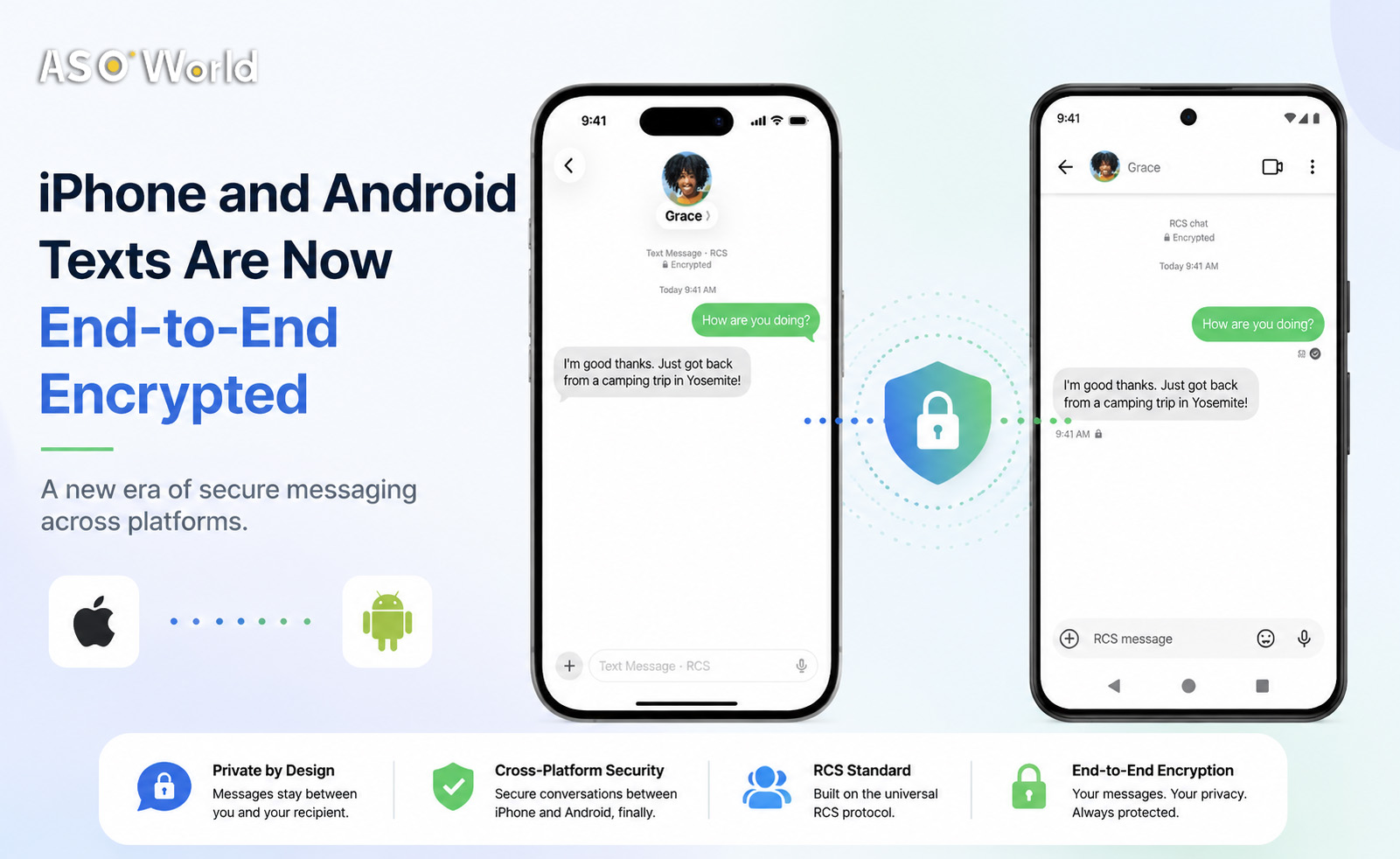
The long-standing divide between Android and iPhone messaging is finally narrowing. Apple and Google have agreed to enable end-to-end encryption (E2EE) for messages exchanged across their platforms—a step that may seem incremental for consumers but carries substantial implications for AI-driven workflows, productivity tools, and enterprise communication platforms. For AI industry professionals, this update is not just about secure texting—it signals a shift in how data can be accessed, analyzed, and integrated into automation and generative AI tools.
The Update in Context: Bridging the Mobile Messaging Divide
What Happened
Android and iPhone users will soon enjoy fully encrypted messaging, a feature long limited to iMessage on Apple devices. This cross-platform E2EE will prevent intermediaries—including network operators—from reading message content, providing both security and trust for users.
Why It Matters for AI
For AI tools that rely on analyzing messaging data to suggest workflows, automate responses, or summarize conversations, E2EE changes the game. Models can no longer rely on direct access to raw message content without explicit user permission. This will accelerate the development of privacy-first AI solutions that operate locally or with federated learning techniques, balancing security with intelligent automation. To understand how AI-driven recommendations can optimize cross-platform communication, explore Beyond ASO: How to Get Your App Recommended by AI
Stakeholders Affected
- Productivity tool developers must rethink integration models for messaging platforms.
- Enterprise SaaS companies will need to ensure compliance while maintaining AI-driven workflow capabilities.
- AI startups leveraging communication data for insights must explore privacy-preserving techniques.
Implications for AI-Driven Workflows
Automation and Generative AI Adaptations
With cross-platform E2EE, AI assistants and chat summarization tools may need secure APIs or local device computation. This challenges existing cloud-based models but opens opportunities for on-device AI processing, improving latency and privacy compliance. Developers can leverage AI-driven marketing insights to enhance productivity tools while maintaining privacy compliance through AI-Driven App Marketing: How Next-Gen AI Models Reshape User Acquisition & Retention.
Workflow Optimization Opportunities
- Secure, encrypted communication could encourage adoption of AI-enhanced collaboration tools in industries with high privacy requirements, such as healthcare, finance, and legal.
- Generative AI tools that previously relied on cloud message ingestion will pivot toward client-side or encrypted aggregation methods, enabling productivity without compromising data security.
Explore how other studios have successfully implemented AI marketing strategies through ASO Solutions: AI App Marketing Agency
Strategic Shifts in the AI Industry
Competitive Landscape Changes
The update reduces platform fragmentation, meaning AI communication tools can now target a unified user base instead of platform-specific silos. This may intensify competition among AI SaaS providers offering cross-platform messaging analytics, task automation, and smart reply solutions.
Emerging Trends
- Privacy-first AI models are now a business differentiator.
- Federated learning frameworks are likely to gain momentum as messaging data becomes inaccessible to central servers.
- Tools integrating secure AI summarization, task extraction, and workflow suggestions will see new growth opportunities.
Providers looking to capitalize on secure messaging adoption can benefit from professional guidance in integrating AI into app growth strategies through ASO Solutions: AI App Marketing Agency.
Practical Takeaways for Developers
- Adapt AI integrations for encrypted environments: Evaluate APIs and design workflows that do not require direct access to raw messages.
- Implement on-device AI capabilities: Local summarization, auto-replies, and workflow automation can bypass encryption constraints while preserving performance.
- Explore federated learning approaches: Leverage aggregated insights across devices without compromising message privacy.
- Plan for privacy-first SaaS adoption: Build features that meet enterprise security standards while enhancing productivity.
- Monitor competitive moves: Providers embracing secure AI workflows may capture cross-platform users previously segmented by device.
Comments:
- Users can discuss how E2EE affects their AI workflow integrations.
- Analysts can debate which AI models are best suited for on-device message processing.
- Industry professionals can share strategies for leveraging encrypted communication for productivity.
FAQ:
Q1: How does cross-platform E2EE impact AI productivity tools?
AI tools that previously processed messages in the cloud must now use on-device or privacy-preserving approaches, ensuring automation and insights remain compliant.
Q2: What practical use cases are unlocked for AI with this update?
Encrypted messaging opens opportunities for secure AI assistants, private summarization, and intelligent workflow recommendations in high-compliance industries.
Q3: How does this affect competitive positioning for AI SaaS providers?
Providers that adapt quickly to privacy-first, cross-platform solutions can capture users previously limited by platform silos, gaining a strategic edge.
Q4: Will AI models lose access to critical data with encryption?
Models will lose direct access to raw message content, but advanced techniques like federated learning and on-device AI allow continued insight generation without compromising security.

 Follow Us on Facebook