




TL;DR
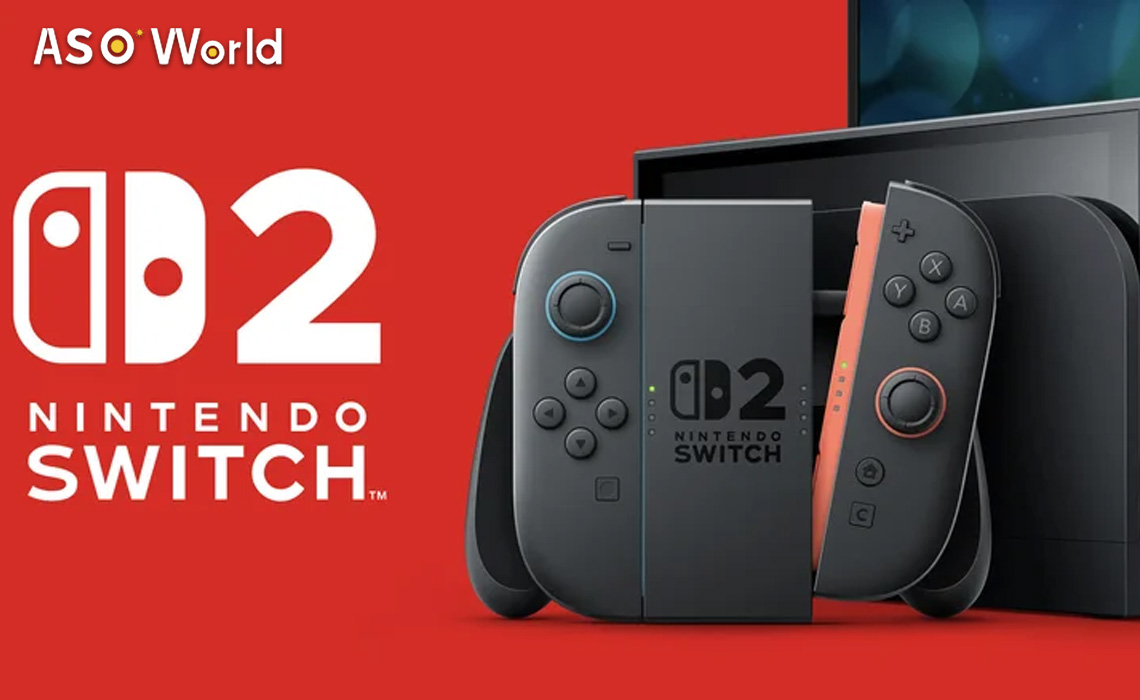
- Nintendo officially confirmed it will sell an EU-only Switch 2 variant with a user-replaceable battery, in line with the EU Batteries Regulation that takes effect on February 18, 2027.
- The new variant will carry the model code “OSM” on the packaging, distinct from the global Switch 2 product family that begins with “BEE”.
- Nintendo says it is “preparing versions of products” rather than redesigning the worldwide Switch 2 — meaning the EU edition will likely be sold as a separate SKU and not exported globally.
- The announcement lands a month after Nintendo raised the EU price of the Switch 2 from €470 to €500, citing memory costs and shifting market conditions.
- For developers and marketers, this signals an extended Switch 2 lifecycle, a likely SKU fragmentation event, and a new regulatory checkpoint for any companion app, accessory, or storefront targeting European players.
What Nintendo Actually Confirmed
In a compliance notice posted to its UK corporate site, Nintendo stated that it is “implementing measures to comply” with EU directives and is “preparing versions of products” to align with the bloc’s 2023 right-to-repair policy. From February 18, 2027, batteries inside “certain appliances” sold into the EU must be replaceable by end users without specialist tooling or service centers.
Crucially, Nintendo did not name the Switch 2 outright. Instead, it referenced products with model codes beginning with “BEE” — the internal prefix used across the Switch 2 console, its first-party hardware, and licensed accessories. The EU-compliant variants will ship under unique model numbers carrying the “OSM” code on retail packaging, and will be classified as separate products for regulatory purposes. In practical terms, that almost certainly means they will not be sold outside the European market.
Notably absent from the notice: any mention of products beginning with the “HAC” prefix, which corresponds to the original 2017 Switch. That silence aligns with the broader read of Nintendo’s roadmap — the first-generation Switch is being wound down rather than re-engineered for the new battery rule.
The Regulation: A Quick Primer
The EU Batteries Regulation (2023/1542) replaces the older 2006 Batteries Directive and applies progressively. The headline clause for consumer electronics is Article 11, which requires that portable batteries in “light means of transport” and most consumer devices be “readily removable and replaceable by the end user” at any time during the product’s lifetime. The deadline of 18 February 2027 covers devices placed on the market after that date, not stock already on shelves. Manufacturers must also make replacement batteries available for at least the device’s expected lifetime and publish repair instructions.
The rule is part of the same regulatory wave that produced USB-C mandates for phones, repairability indexes in France, and the EU’s broader Ecodesign for Sustainable Products framework. Smartphones, tablets, smartwatches, and now handheld game consoles all sit inside its scope.
Why This Matters Beyond the EU
The Switch 2 launched in 2025 and has been one of the fastest-selling consoles in Nintendo’s history. According to the company’s FY3/2026 reporting, Switch 2 hardware shipped 4.54 million units in Q2 and crossed 10.36 million units lifetime by the end of that quarter, with Nintendo guiding to roughly 16.5 million units for the platform’s second fiscal year. Europe accounts for a meaningful chunk of that pipeline.
That scale is exactly why the EU-only variant is a strategic signal, not a quiet manufacturing tweak:
- Lifecycle extension. A second hardware revision — even a regional one — typically signals that Nintendo expects the Switch 2 to remain its lead platform well into the late 2020s.
- SKU fragmentation. Retail, accessory, and warranty programs in the EU will need to track BEE and OSM units separately. Cases, grips, and battery-pack accessories will likely splinter into region-specific lines.
- Sustainability narrative. Nintendo has historically been quiet on repairability. An EU-compliant device gives the company a genuine sustainability story to tell — one its competitors will be expected to match.
- Pricing pressure. The compliance redesign arrives weeks after Nintendo raised the EU price of the Switch 2 from €470 to €500, blaming rising memory costs. Expect the OSM edition to land at a similar or slightly higher tier.
For App and Game Developers: A New Compliance & QA Surface
Publishers shipping titles, companion apps, or storefront experiences on Switch 2 should already be modeling what an EU-only OSM SKU means for them. A few angles worth planning around:
- Hardware revision testing. Even if the silicon is unchanged, the OSM edition is a new model number with a different battery enclosure, potentially different thermal envelope, and new firmware identifiers. QA matrices should be updated to include OSM units alongside launch BEE hardware once devkits arrive.
- Battery-aware UX. A user-replaceable cell invites new in-game and OS-level UX questions: low-battery warnings, swap-while-suspended flows, and save-state safety when the cell is removed mid-session. Studios building always-on, network-dependent experiences should anticipate edge cases.
- Accessory ecosystems. Third-party battery packs, replacement cells, and dock-side chargers become a meaningful new accessory category in the EU. App developers operating companion mobile apps (loyalty, controller config, parental controls) have a fresh reason to ship region-aware features.
- Right-to-repair signaling. EU consumers are increasingly using repairability as a purchase criterion. Store pages, trailers, and launch creatives for EU audiences can lean into longevity messaging in a way that wouldn’t resonate elsewhere.
For Consumers: Should You Wait?
If you are an EU buyer who has not yet picked up a Switch 2, there is now a clear reason to consider waiting. The OSM variant should arrive with at least three concrete benefits: a battery you can swap yourself, longer practical device lifespan, and stronger trade-in value as the broader EU repair-parts ecosystem matures.
The trade-offs are real, though. Nintendo has not announced a release date, a price, or a colorway lineup for the OSM edition. Historically, regional compliance variants launch at a small premium, and supply in the first months tends to be tight. Players who want a console today — or who plan to buy outside the EU — will see no functional change.
For existing Switch 2 owners, nothing changes. The regulation applies only to devices placed on the EU market after February 18, 2027; current BEE units remain fully supported.
The Bigger Picture: A Template for Regional Hardware
Nintendo’s decision to ship a parallel EU SKU rather than redesign the global Switch 2 is the most economically rational outcome — but it also sets a template. Sony, Valve, and Microsoft will face the same 2027 deadline for any new portable hardware sold into the EU, and the model-code split (BEE vs. OSM) is a clean blueprint that supply-chain and compliance teams across the industry are likely to copy.
For the Nintendo ecosystem specifically, the takeaway is that the Switch 2 era is being engineered for longevity. A second hardware variant within 18 months of launch, paired with sustained software momentum and a healthy install base, points to a platform that will reward developers and marketers willing to invest in long-tail strategies — not just launch-window spikes.

 Follow Us on Facebook
