



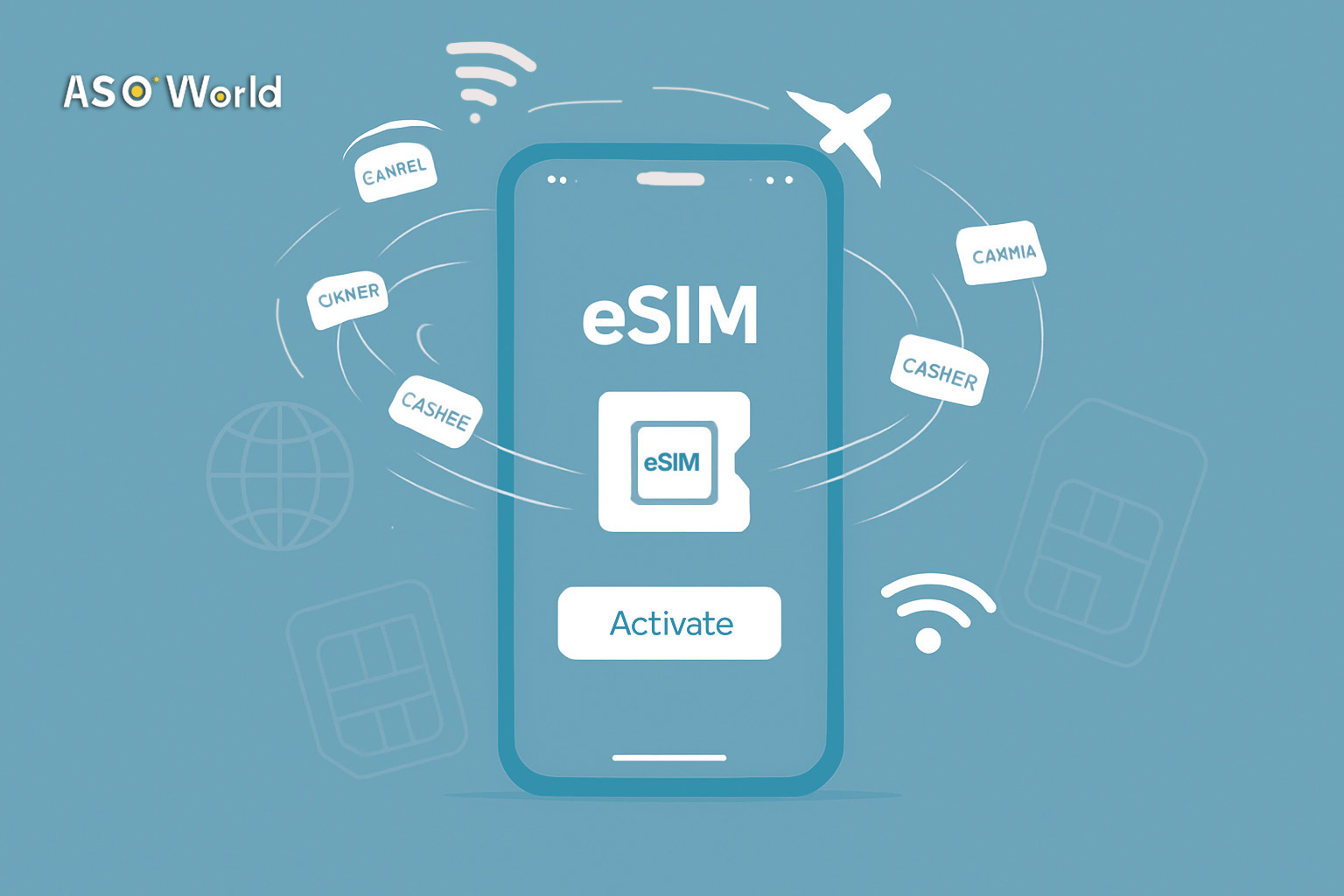

In 2026, eSIM technology is reshaping the digital landscape by connecting an ever-growing array of devices. Beyond eliminating physical SIM cards, one eSIM is enabling seamless integration across smartphones, tablets, wearables, and IoT devices. This expansion of the device ecosystem not only enhances user convenience but also creates new avenues for app-based services and app store optimization (ASO).
What eSIM Is and Why It Matters
An eSIM, or embedded SIM, is a programmable SIM profile built into a device that allows users to activate and switch mobile plans without a physical card. Unlike traditional SIM cards, which require manual swaps and physical handling, eSIMs can be managed digitally through device settings or connectivity apps. This digital approach streamlines activation, supports multiple carrier profiles on one device, and enhances security through encrypted provisioning.
This convenience has made eSIMs essential for global connectivity—users can store personal, business, and travel plans on one profile and switch between them instantly, eliminating roaming headaches and physical card logistics.
eSIM as a Catalyst for Device Ecosystem Growth
Embedded SIMs are transforming single-device connectivity into a multi-device ecosystem. By allowing multiple profiles on one device and supporting cross-device management, eSIMs encourage users to integrate more devices into their digital environment. Smartphones, smartwatches, tablets, laptops, and connected IoT gadgets can now all share a unified connectivity framework, creating a more cohesive and versatile device ecosystem.
This growth in compatible devices drives a network effect: as more devices support eSIM, users are more likely to adopt additional devices, fostering an interconnected ecosystem.
Expanding Multi-Device Use Cases
Seamless Switching Across Devices
With one eSIM, users can switch between devices without losing connectivity. For instance, a user can maintain a single mobile profile across a smartphone, tablet, and wearable, ensuring continuity of service. This multi-device capability encourages the adoption of new devices within the ecosystem, which benefits hardware manufacturers, app developers, and service providers alike.
Enabling IoT and Wearable Integration
The device ecosystem is no longer limited to traditional consumer electronics. eSIMs support IoT devices, such as smart home systems and connected health gadgets, allowing them to communicate seamlessly with central mobile profiles. This integration strengthens the overall ecosystem by connecting diverse device categories under one management interface.
Implications for App-Based Services and ASO
As the device ecosystem expands, connectivity apps become essential for managing eSIM profiles across multiple devices. App developers now have opportunities to optimize ASO by targeting users seeking seamless device integration. Features like instant plan activation, cross-device synchronization, and device-specific data management make these apps more valuable, increasing user engagement and conversion rates.
The proliferation of eSIM-compatible devices also means that apps supporting multi-device connectivity can capture broader audiences, providing a competitive advantage for apps that rank well in the app store.
Future Outlook: A More Interconnected Ecosystem
Looking forward, eSIM technology will continue to drive ecosystem growth by supporting more devices, including laptops, connected cars, and industrial IoT systems.
As these devices converge into a single connectivity framework, users will experience unprecedented flexibility, and businesses will have expanded opportunities for app-driven services. The continuous expansion of the device ecosystem underscores eSIM’s role not just as a connectivity tool but as a core enabler of digital ecosystem growth.
Comments:
One eSIM is more than a convenience; it is a driver of ecosystem expansion. By connecting multiple devices under a unified framework, it reshapes user expectations, promotes adoption of new hardware, and elevates the strategic importance of app-based services.
For ASO professionals, the growing device ecosystem creates new touchpoints to capture user attention, optimize engagement, and enhance app visibility.
FAQs
Q1: Which app categories are growing fastest due to eSIM technology?
eSIM is driving a surge in Travel Tech (instant roaming), Fintech (digital banks bundling data), and Health & Fitness apps for wearables. It allows devices to sync real-time data and manage finances seamlessly without needing a physical SIM or a nearby smartphone.
Q2: Which are the best travel eSIMs in 2026?
Top-rated providers for 2026 include:
-
Saily: Best overall for security and 5G speed.
-
Airalo: Most trusted for global coverage (200+ countries).
-
Holafly: Best for unlimited data and 24/7 support.
-
Jetpac: Most affordable with added perks like airport lounge access.
-
Nomad: Best for flexible, high-volume data plans.
Q3: How should app marketers leverage eSIM for ASO?
Marketers should target high-intent keywords like "no roaming fees," "instant 5G," and "multi-device sync." Highlighting "Frictionless Connectivity" in App Store visuals is key to capturing the 2026 audience looking for seamless, borderless digital experiences.

 Follow Us on Facebook
