




Key Takeaways
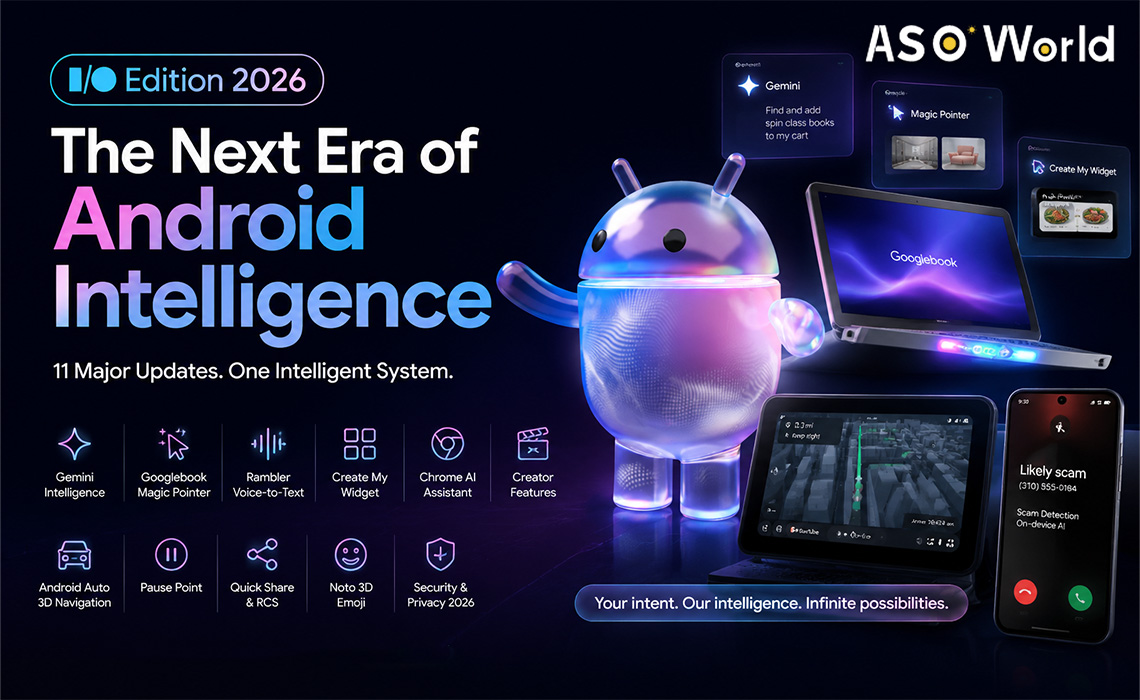
- Intent-Based Execution: With "Gemini Intelligence," the user journey is collapsing from multiple app-switches to single-prompt execution.
- Contextual ASO: New hardware like "Googlebook" and features like "Magic Pointer" are moving search from keywords to real-time, OS-level "hover" triggers.
- Conversion Friction Collapse: Automated form-filling and Rambler voice-tech are removing the final barriers to mobile lead generation and commerce.
- The "Sherlock" Surge: Google is absorbing pro-level creative and utility features (upscaling, sound separation) into the OS, threatening niche SaaS models.
The 2026 "Android Show: I/O Edition" has officially transitioned Android from a mobile operating system into a proactive Intelligence System. Google is no longer just hosting apps; it is building a "Gemini Intelligence" layer that prioritizes user intention over manual navigation. For developers, product managers, and SEO/ASO specialists, this represents a fundamental shift in the mobile economy. Below is the deep-dive analysis of the 11 key updates, with the technical and business details you need to stay ahead.
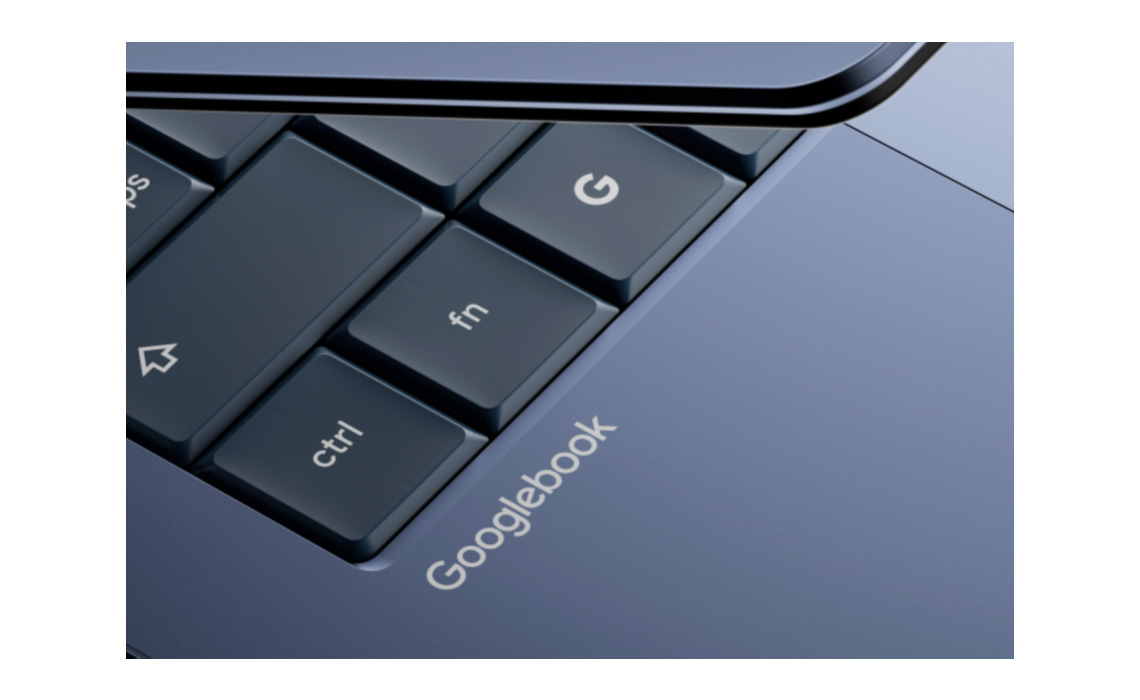
Image Credits:Google
1. Meet the Googlebook: The First AI-Native Laptop
Google is launching a new laptop class designed from the ground up for Gemini Intelligence. These devices feature a unique "Glowbar" on the back cover that lights up with Google’s logo colors and are built by partners like Asus, Dell, and HP.
- The Innovation:The Magic Pointer cursor. By wiggling the cursor, Gemini comes alive, offering contextual suggestions. Hover over a date in an email to set a meeting, or select two images (e.g., a living room and a couch) to instantly visualize them together using AI.
- Mobile Synergy:Googlebooks allow you to use apps installed on your Android phone directly on the laptop without extra downloads or clunky touchscreen controls. Quick Access lets you browse and insert phone files directly into the laptop’s file browser—no transfers needed.
2. Gemini Intelligence: The Rise of "Action Agents"
Coming first to the Galaxy S26 and Pixel 10 this summer, Gemini Intelligence is designed to automate multi-step tasks that traditionally require manual app-switching.
- The Feature: Gemini can now "navigate" tasks for you, such as finding a spin class syllabus in Gmail and adding the required books to your shopping cart. It also uses Screen/Image Context: long-press the power button over a grocery list in your Notes app, and Gemini can build a delivery cart in a single step.
- Business Impact:For developers, this means your app’s "agent-readiness" is now more important than its UI. If Gemini can’t "see" and "act" on your app’s content, your service will be bypassed by the AI agent.
3. Rambler: Polishing Spoken Thoughts into Professional Text
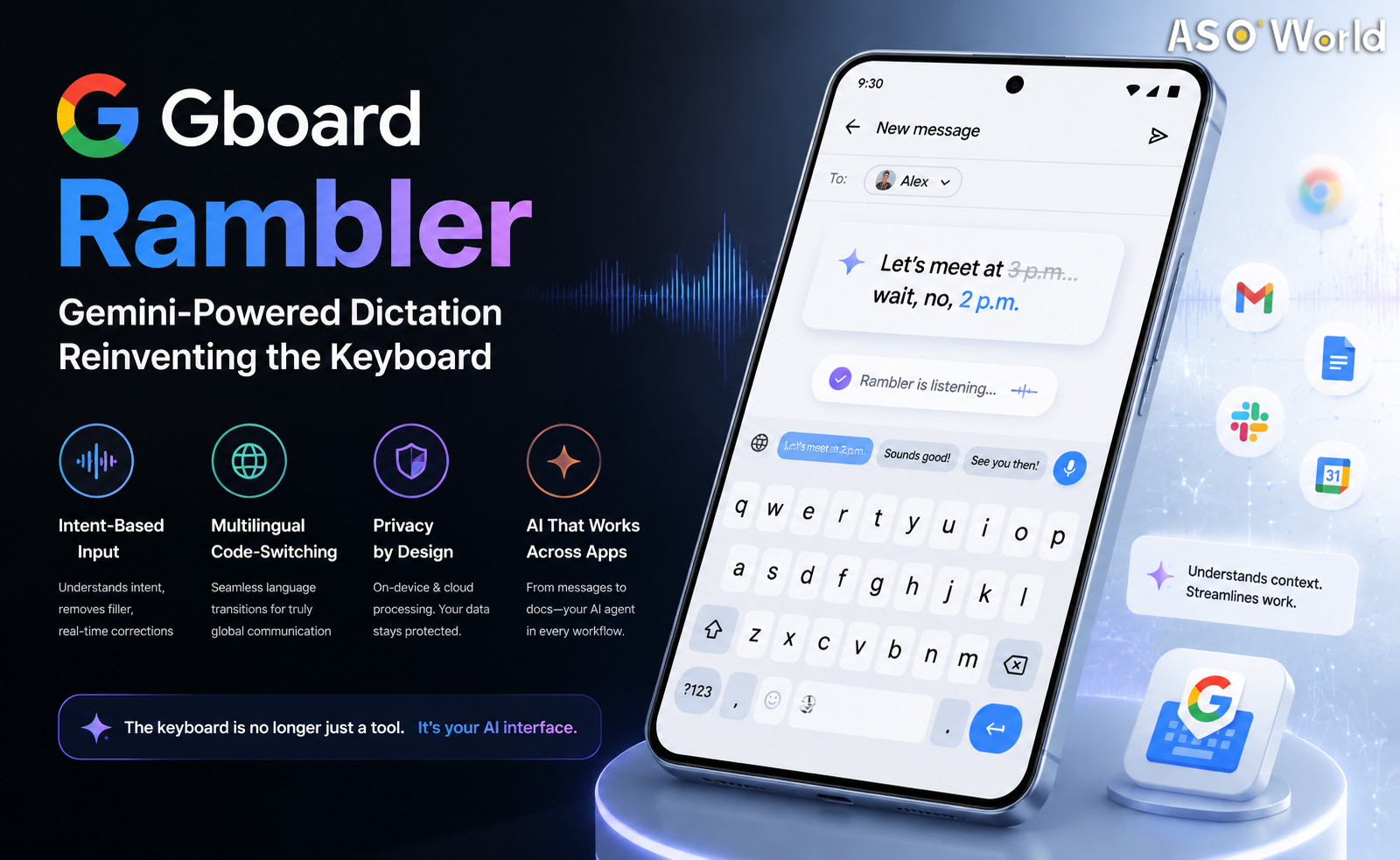
Gboard is introducing Rambler, a tool designed for the way people actually speak—complete with filler words, self-corrections, and mid-sentence language switches.
- The Tech: Rambler filters out "ums" and "ahs" and understands context (e.g., "Meet at 3... no, 2 p.m."). It supports multilingual code-switching, allowing users to blend languages (like English and Hindi) in a single message without losing context.
- ASO/SEO Angle: This lowers the "editing tax" for voice input, likely increasing the volume of conversational queries and voice-driven commerce.
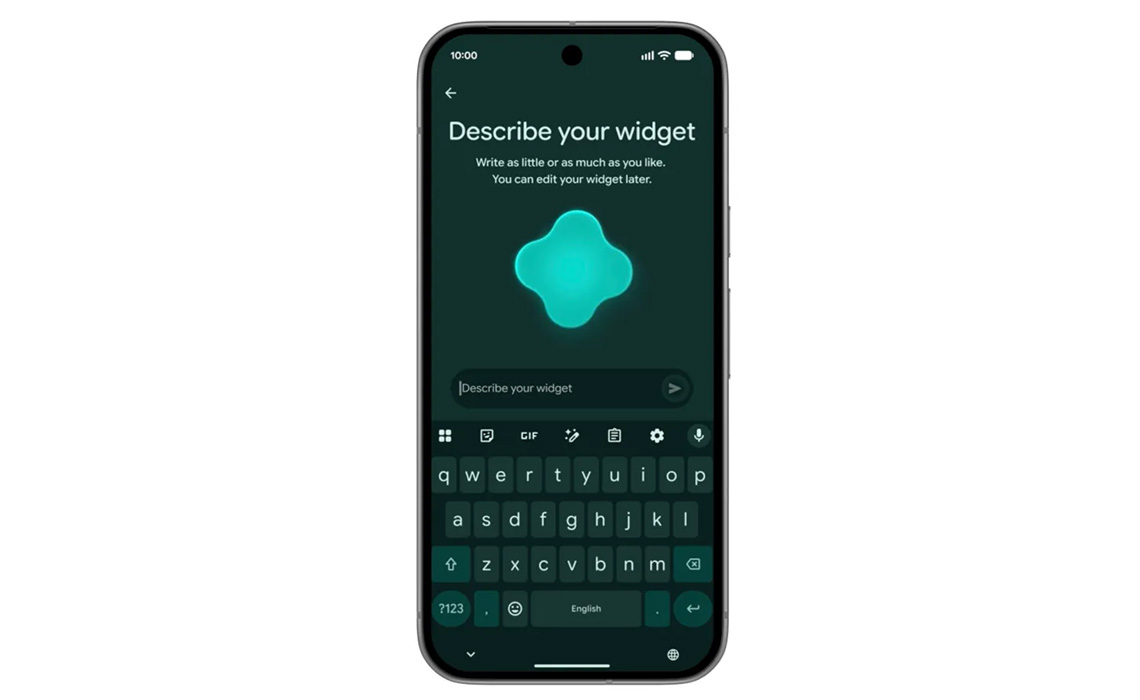
Image Credits:Google
4. Create My Widget: Generative UI for the Home Screen
Android is moving toward "vibe-coding" your own interface. Users can now build custom widgets using natural language prompts.
- The Feature: A user can say, "Suggest three high-protein meal prep recipes every week," and Gemini will build a custom, resizable dashboard on the home screen. Or a cyclist can create a weather widget that only shows wind speed and rain probability.
- Retention Strategy: Developers should offer modular, "prompt-ready" data streams that users can pull into these custom AI widgets, ensuring their brand remains "front and center" on the home screen.
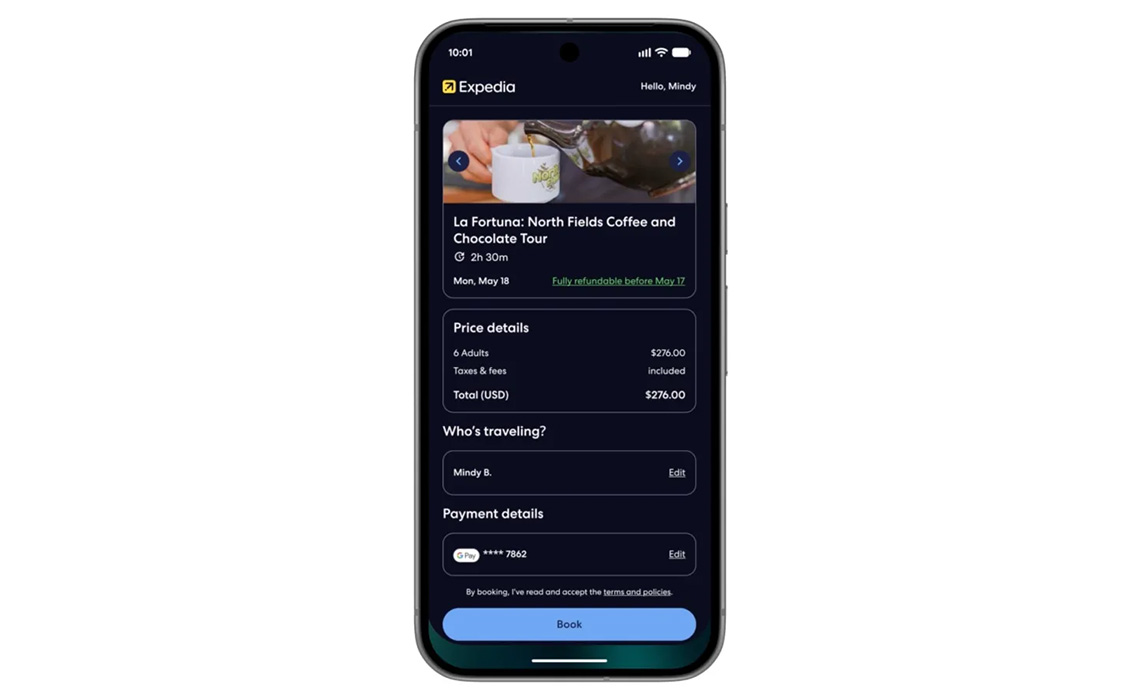
Image Credits:Google
5. Chrome for Android: The AI Browsing Assistant
Chrome is getting a "Gemini icon" in the top right toolbar, transforming the browser into an agentic tool.
- The Innovation: Auto Browse handles tedious tasks like booking a parking spot via SpotHero using event details from a ticket confirmation in your browser. It also includes Nano Banana, which allows users to instantly turn a webpage into an infographic or "alter an image" (e.g., adding furniture to a room listing) directly in the browser.
- SEO Challenge: If Google can summarize your page and generate the "visual" for the user, your site’s "Time on Page" may drop unless you offer deep, interactive value that AI can't replicate.
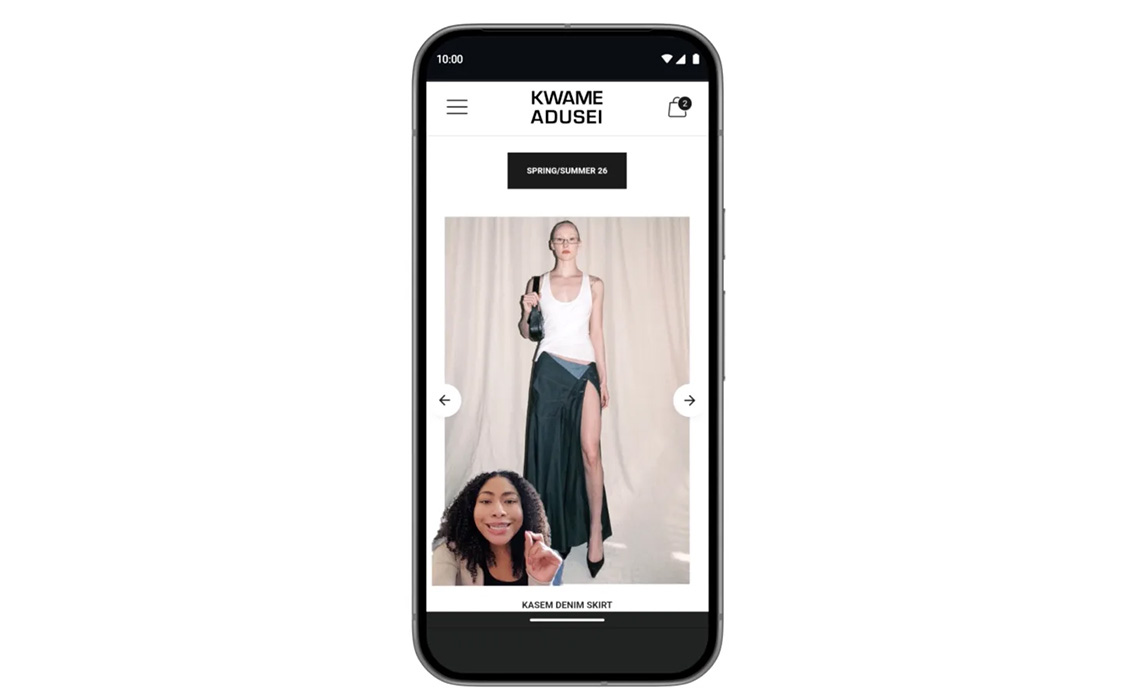
Image Credits:Google
6. Android 17 Creator Features: Professional Video on Mobile
Google is baking pro-level production tools into the OS, specifically targeting the creator economy.
- The Feature: Screen Reactions allows for instant reaction-video creation (recording your face and screen simultaneously) without separate editing software.
- Deep Integration: Instagram for Android is getting Ultra HDR capture and Advanced Professional Video (APV) support—a storage-efficient pro format co-developed with Samsung. The Instagram Edits app will now include Smart Enhance (one-tap AI upscaling) and Sound Separation (identifying and removing wind or background noise).
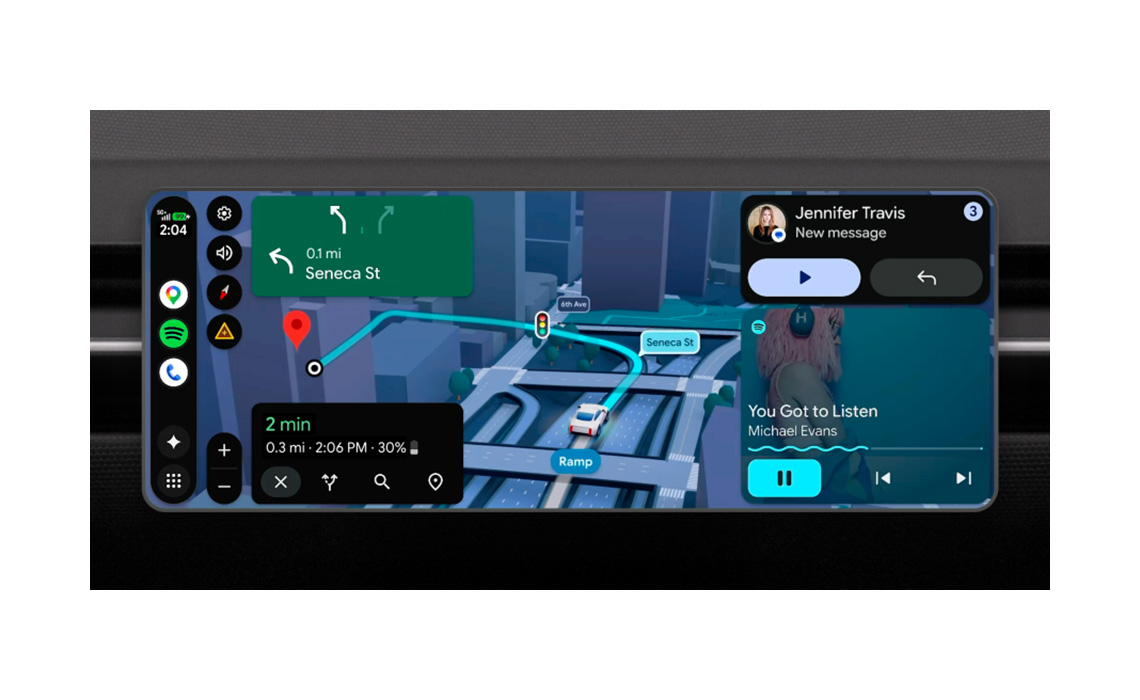
Image Credits:Google
7. Android Auto & Cars: Immersive 3D Navigation
Android Auto is receiving its biggest Google Maps update in a decade, alongside deep vehicle integration.
- The Tech: Immersive Navigation brings a vivid 3D view with buildings, overpasses, and lane-level guidance. For cars with Google built-in, Gemini can now answer car-specific questions, like identifying a dashboard light or checking if a specific TV will fit in your trunk.
- Entertainment: Full HD, 60fps YouTube video support is coming to supported cars (like BMW and Mercedes) while parked, with seamless transition to audio-only when driving.
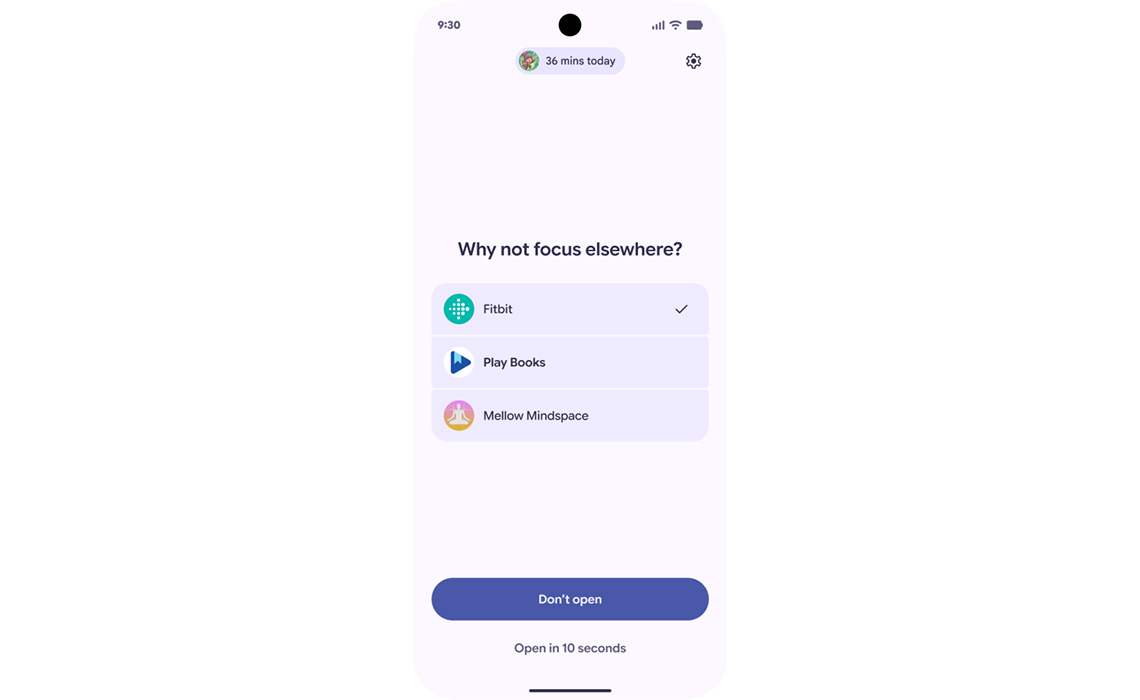
Image Credits:Google
8. Pause Point: The New Engagement Gatekeeper
A surprising move in digital wellbeing, Pause Point forces a 10-second delay when opening "distracting" apps (automatically enabled for social media).
- The Friction: During the pause, users can do a breathing exercise or jump to "alternative app suggestions" (like an audiobook). To disable the feature, a full phone restart is required, preventing "autopilot" app use.
- PM Warning: If your app is flagged as "distracting," Google is now actively diverting your users to more "productive" competitors.
9. Quick Share & Secure Messaging: Cross-Platform Harmony
Google is overhauling how Android interacts with the broader ecosystem, specifically iOS.
- The Update: Quick Share is now compatible with AirDrop for supported phones. For other devices, it can generate a QR code for instant cloud-sharing with iOS users.
- Switching Ease: A new wireless migration process allows for the transfer of passwords, home screen layouts, and even eSIMs from iPhone to Android. End-to-end encryption is also being rolled out for RCS messages across both platforms. Curious how to make the most of this update? Check out this in-depth analysis to see the full potential of cross-platform encryption and what it means for AI-powered efficiency.
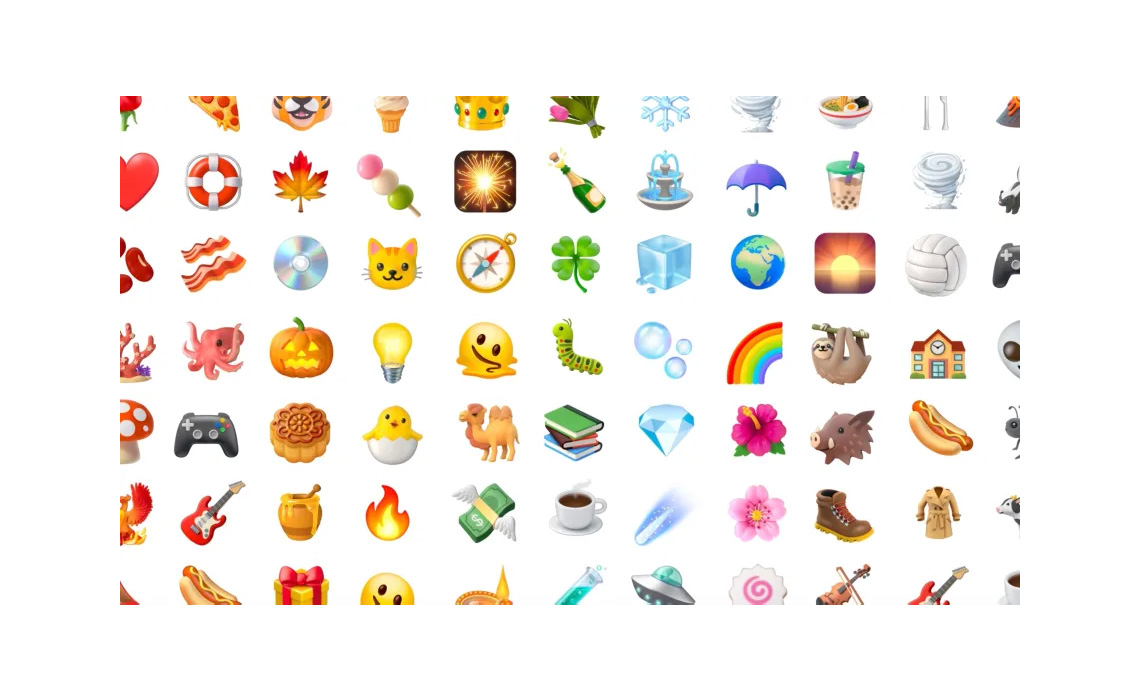
Image Credits:Google
10. Noto 3D Emoji: Physicality in Digital Expression
Google is launching Noto 3D, a collection of 3D emoji designed to bring a "touch of physicality" to digital messages. The goal is to overcome the "digital divide" by giving feelings weight and presence. These will roll out first on Pixel phones later this year.
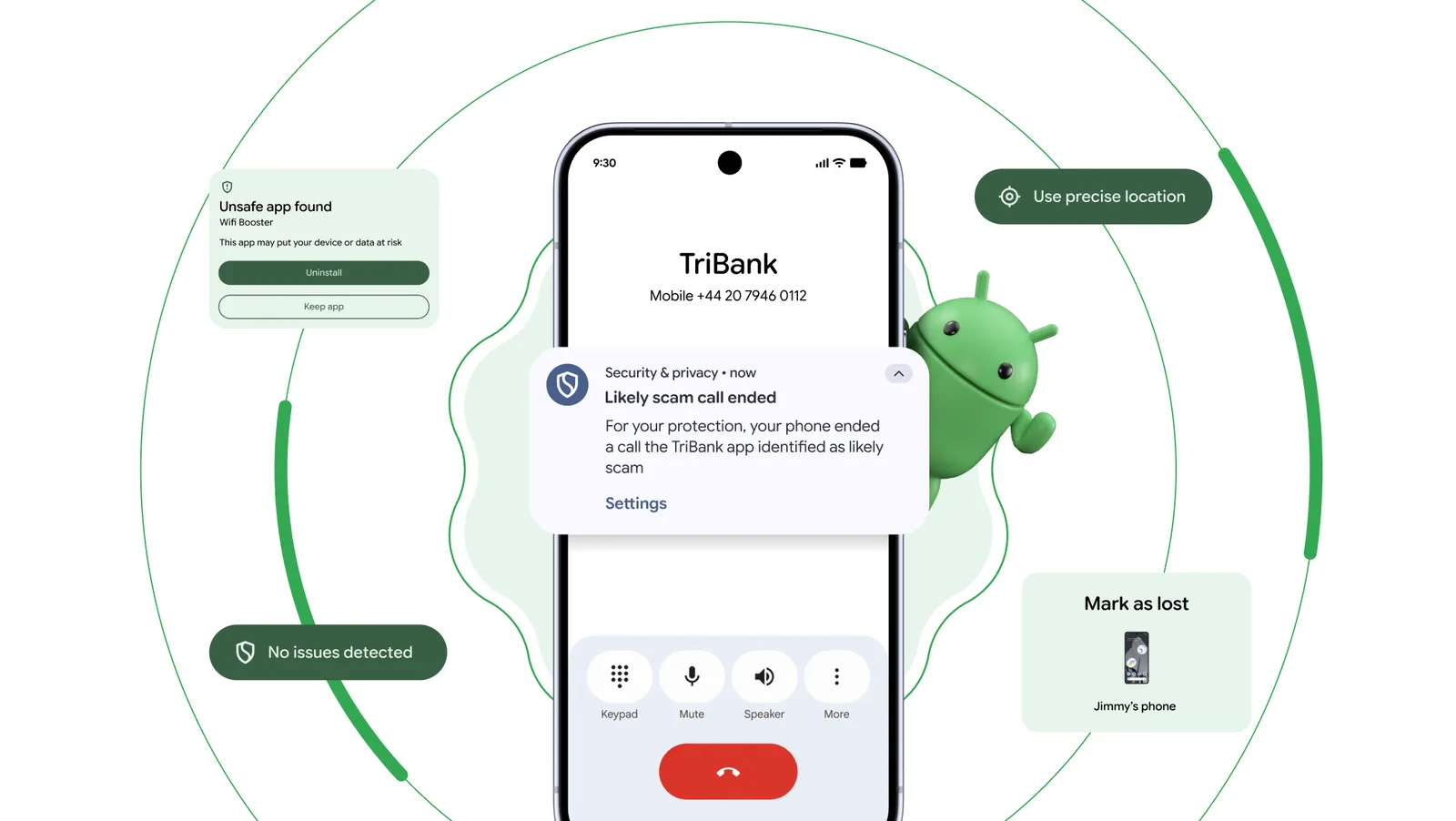
Image Credits:Google
11. Android Security & Privacy 2026: Intelligent Defense
Google is scaling "intelligent defenses" using on-device AI to protect against emerging threats like prompt injection and scam calls.
- The Feature: Gemini-powered security can identify likely scam calls in real-time and provide "safe and private" on-device processing for sensitive data.
- Trust Metric: For fintech and high-security apps, leveraging these OS-level "safe" signals is now a key differentiator for user trust.
The Analyst's Perspective: A Strategic Summary
The 2026 "Android Show" signals a definitive shift from an app-centric ecosystem to an Agent-Centric Intelligence System. By integrating Gemini directly into the input layer (Magic Pointer, Rambler) and the discovery layer (Auto Browse, Create My Widget), Google is repositioning the OS as the primary "Action Agent." For professionals, this means the traditional moats of UI design and keyword-based ASO are being superseded by Agent Engine Optimization (AEO) and API-level functionality. The upcoming I/O event and the smart glasses preview will likely solidify this "Glass-to-Gboard" ecosystem, where the invisible thread of AI connects every user intent to an automated execution.
>>> Register and stay tuned to our latest updates on Gemini Intelligence and Android I/O 2026!
Looking Ahead: The Road to I/O 2026
The transformation of Android into an intelligence system is just beginning. Be sure to tune into I/O next week for even more Android updates. We will be providing live coverage of the event, including a highly anticipated sneak peek at Google’s new smart glasses, set to launch later this year. This could be the hardware breakthrough that finally takes Gemini out of the screen and into the real world.

 Follow Us on Facebook
