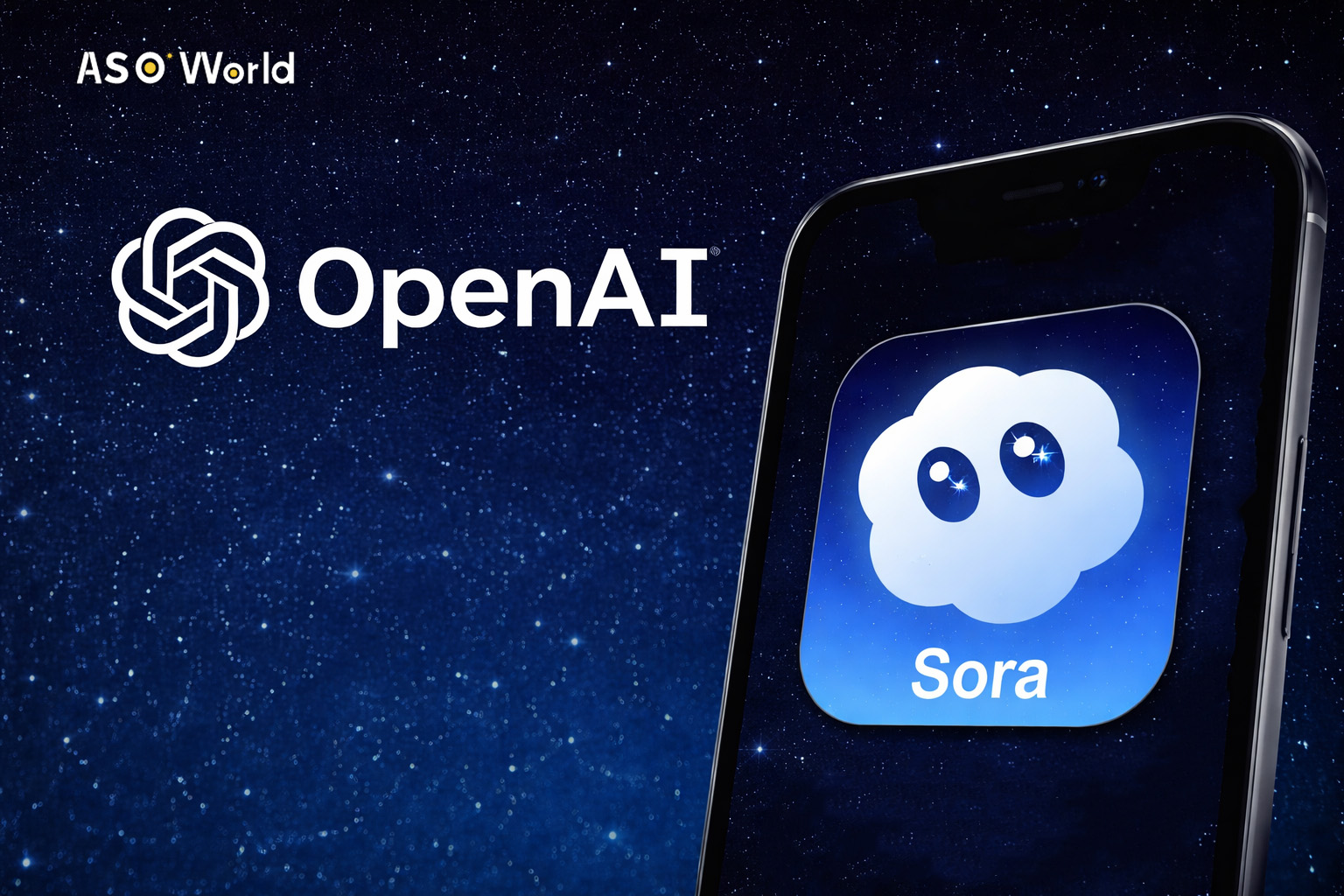

OpenAI’s decision to discontinue its standalone video app Sora marks more than the end of a single product. After a strong launch followed by rapid decline in downloads and user spending, the company is now integrating its video generation capabilities into core platforms such as ChatGPT. This shift highlights a larger industry trend: AI video is moving away from independent applications toward platform-based distribution and embedded use cases.
From Breakout Launch to Rapid Decline
Sora launched in September 2025 with strong early traction, surpassing 100,000 downloads on its first day and quickly reaching millions of installs. However, growth proved unsustainable. By December, downloads had dropped by over 30%, followed by an additional 45% decline in January. Revenue also decreased significantly, and the app fell out of the top rankings in the US App Store.
The decline was driven by multiple factors, including high generation costs, content moderation challenges, copyright issues, and increasing competition from larger platforms. These constraints exposed the limitations of positioning AI video as a standalone consumer product.
Why AI Video Struggles as a Standalone App
The Sora case highlights structural challenges specific to AI video applications:
- Low usage frequency: Video generation is not a daily behavior for most users
- High compute cost: Resource-intensive generation limits scalability
- Weak retention loops: Unlike chat or search, video tools lack continuous engagement triggers
These characteristics make it difficult for standalone apps to sustain growth, even with strong initial demand.
The Shift Toward Platform Integration
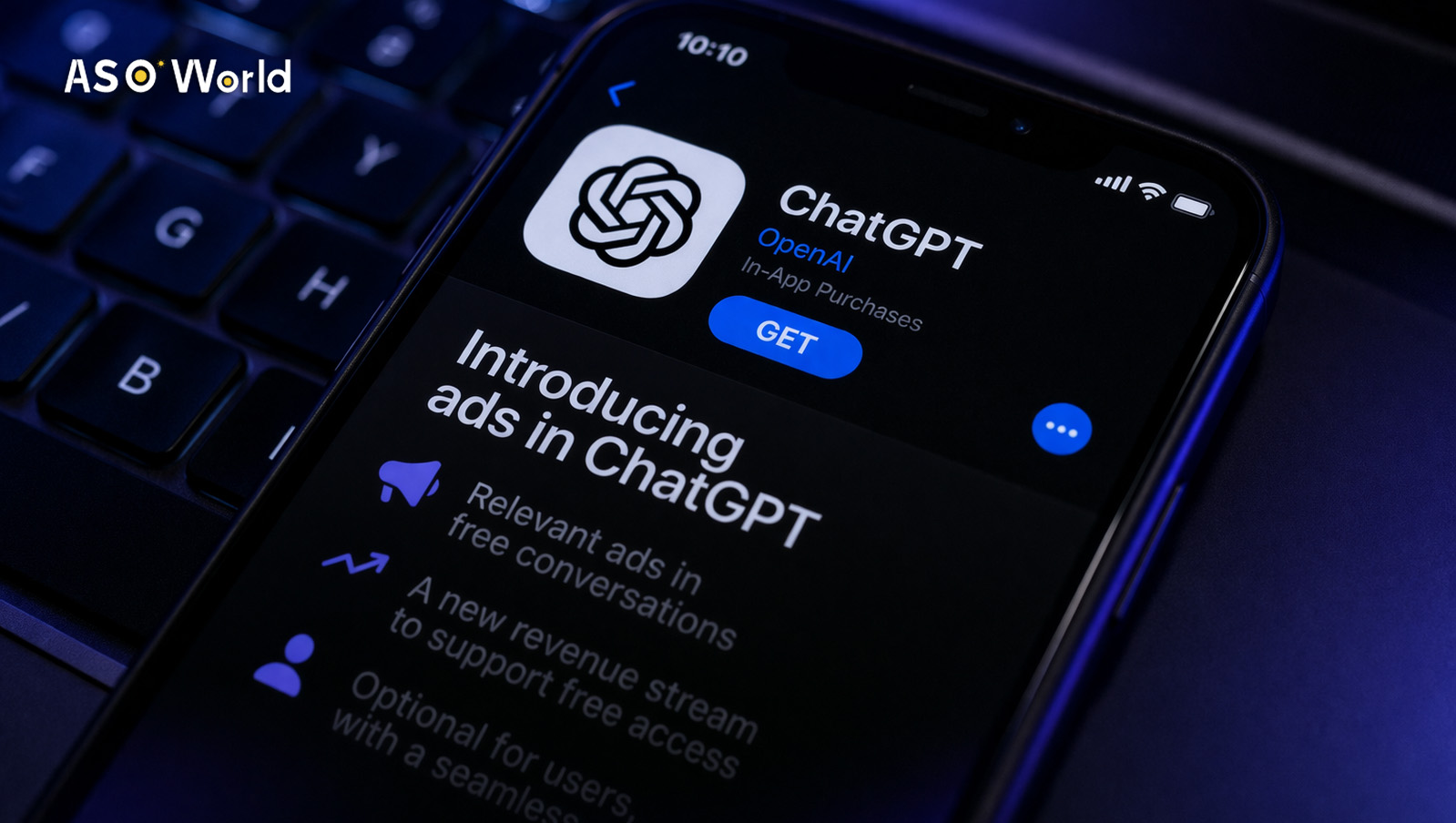
In response, OpenAI is embedding Sora’s capabilities into ChatGPT, aligning with a broader move toward platform-centric AI delivery. Instead of acquiring users through a separate app, AI features are increasingly integrated into products that already have high engagement and distribution.
This approach offers several advantages:
- Higher feature usage through existing user bases
- Reduced acquisition costs
- Stronger retention driven by multi-feature ecosystems
The shift suggests that AI video is becoming a feature within workflows, rather than a destination product.
What This Means for Product Strategy and Growth
The transition from apps to platforms introduces a different approach to product design and market expansion:
- Scenario-driven integration: Embedding AI video into use cases such as content creation, marketing, or social publishing increases frequency and relevance
- Leverage existing distribution: Growth is increasingly tied to platform ecosystems rather than standalone downloads
- Optimize for incremental value: AI features that enhance existing workflows tend to outperform isolated tools
Rather than building around a single capability, successful products are shifting toward composable AI, where features are layered into broader user journeys.
Comments
The discontinuation of Sora reflects a broader reality in AI product development: early adoption driven by novelty does not guarantee long-term viability. As competition intensifies and costs remain high, integrating AI capabilities into platforms appears to be a more sustainable path for growth and monetization.
FAQ
Q1: If standalone AI video apps struggle, what product form is more viable?
A1: AI video is more sustainable when embedded into high-frequency products such as content creation tools, social platforms, or productivity apps. Instead of building a single-purpose app, integrating video generation as a feature within an existing workflow can significantly improve retention and usage.
Q2: How should AI features be integrated to drive real user growth?
A2: Focus on scenario-based integration rather than feature-based products. AI capabilities should solve a specific user task (e.g., generating marketing videos, enhancing social content) within a broader workflow. This increases frequency of use and reduces reliance on user acquisition.
Q3: What does Sora’s decline suggest about monetization strategies for AI apps?
A3: High-cost AI features like video generation require either high-frequency usage or strong value per session. Monetization works better when AI is bundled into a broader product offering (subscription, SaaS, or platform) rather than charging for a single isolated function.
Q4: Should new AI products still launch as standalone apps?
A4: It depends on usage frequency and distribution advantage. If the feature is low-frequency or easily replicable, launching as a standalone app is risky. Embedding into an existing ecosystem or leveraging distribution channels (platforms, APIs, integrations) is often a more effective growth strategy.

 Follow Us on Facebook