
Key Points:
- What is Nvidia’s open-source AI agent platform “NemoClaw”?
- Which enterprise software companies is Nvidia targeting for partnerships?
- How will NemoClaw enable businesses to deploy AI agents?
- What security and privacy features are expected in the platform?
- How does NemoClaw reflect Nvidia’s broader AI strategy shift?
(image: @exec_sum)
Nvidia is reportedly preparing to launch an open-source artificial intelligence agent platform called “NemoClaw,” signaling a deeper push into enterprise automation and agent-based AI systems.
According to a Wired report published Tuesday, the company has begun pitching the platform to major enterprise software providers as businesses shift from large language models to more autonomous AI tools capable of executing complex tasks.
Expanding Beyond Chips Into AI Agents
From Language Models to Autonomous Systems
Nvidia, long known for its dominance in AI chips, has increasingly expanded into software and AI infrastructure. The planned NemoClaw platform reflects a broader industry trend: moving beyond general-purpose large language models toward specialized AI agents that can reason, plan and act across multi-step workflows.
Unlike traditional chatbots, AI agents are designed to independently complete tasks such as scheduling, document processing, code generation or IT troubleshooting. Enterprises see these systems as productivity tools capable of automating internal operations.
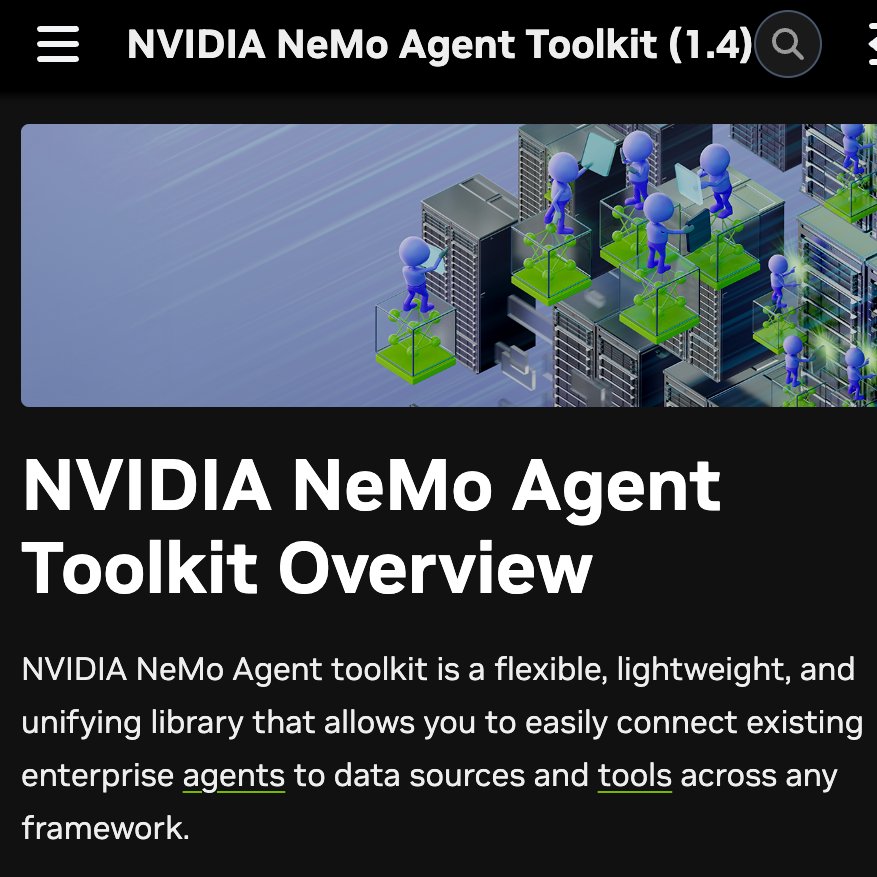
In recent months, Nvidia has introduced foundational models such as Nemotron and Cosmos, designed to power agent-based systems. The company has also expanded its NeMo platform, which supports the full lifecycle of AI agents — from data curation and customization to deployment, monitoring and optimization.
Open-Source Strategy and Industry Partnerships
Seeking Collaboration With Major Software Firms
Sources cited in the report said Nvidia has approached companies including Salesforce, Cisco, Google, Adobe and CrowdStrike about potential partnerships. It remains unclear whether any formal agreements have been finalized.
Because NemoClaw is expected to be open source, partners may gain free access to the platform, potentially in exchange for early contributions and ecosystem development. Notably, companies would reportedly be able to use the platform even if their products do not run on Nvidia chips — a move that could broaden adoption and position Nvidia as a foundational software provider, not just a hardware supplier.
Security and Privacy at the Forefront
Lessons From Early “Claw” Tools
The reported platform is expected to include built-in security and privacy tools, a key consideration for enterprise customers.
Interest in “claw”-style AI tools has surged this year. These open-source agents run locally on users’ machines and perform sequential tasks. OpenClaw — formerly known as Clawdbot and Moltbot — gained widespread attention earlier this year before being acquired by OpenAI.
However, early claw-based systems have raised security concerns, particularly around data access, local system permissions and potential misuse. Experts have warned that autonomous agents operating inside enterprise environments pose new cybersecurity risks. Nvidia’s focus on enterprise-grade safeguards may be aimed at addressing these concerns and differentiating NemoClaw from earlier experimental tools.
Timing Ahead of Developer Conference
Nvidia’s reported move comes just ahead of its annual GTC developer conference in San Jose, where the company is expected to outline new hardware and software roadmaps. The event has increasingly become a showcase not only for advanced GPUs but also for Nvidia’s growing AI software ecosystem.
With enterprises exploring AI-driven automation at scale, agent platforms may represent the next phase of commercial AI adoption.
Editor’s Comments
Nvidia’s reported launch of NemoClaw highlights a strategic pivot from AI infrastructure provider to full-stack AI ecosystem leader. By embracing open source, the company could accelerate developer adoption and establish technical standards for enterprise AI agents.
At the same time, competition in the agent space is intensifying, with major technology firms investing heavily in autonomous AI systems. Security, governance and compliance will likely determine which platforms gain enterprise trust. If Nvidia successfully integrates hardware optimization, open collaboration and robust security controls, NemoClaw could position the company as a central player in the next wave of enterprise AI automation.
 Follow Us on Facebook