
As mobile-first consumption overtakes traditional screens, Hollywood studios are embracing a new storytelling format known as "short dramas" — serialized narratives delivered in one- to three-minute episodes, optimized for vertical viewing on smartphones.
What began in Asia has now entered the U.S. and global market, with major players investing in fast, low-cost mobile series and brands exploring new monetization models.
What Are Short Dramas?
Definition and format
Short dramas, also called "vertical dramas" or "micro-dramas," are serialized video stories created for portrait-mode viewing on mobile devices.
A complete narrative typically spans 60-90 minutes, split into dozens of bite-sized episodes, each lasting 60–120 seconds.
The format's addictive cliffhanger structure and quick emotional payoff make it well-suited for mobile audiences.
Origin and growth in Asia
The format first rose to prominence in China under the name duanju. Platforms such as ReelShort and Kuaishou helped turn these ultra-short serialized stories into a billion-dollar industry.
By 2024, the Chinese short-drama market was estimated to exceed US$5 billion, inspiring Western media companies to experiment with the model.
Hollywood Bets on the Short Drama Format
Reduced attention spans and mobile habits
With audiences spending record time on vertical-video platforms like TikTok, Reels, and YouTube Shorts, studios are adapting storytelling to fit how viewers actually consume media.
Short dramas blend cinematic narratives with the immediacy of social-media consumption — a natural evolution for the mobile era.
Lower budgets, faster turnaround
Productions often cost less than US$300,000 per season and can be filmed in under 10 days.
This affordability makes short dramas a low-risk testing ground for new IPs, experimental formats, and cross-platform campaigns.
New monetization opportunities
Many short-drama platforms use hybrid monetization: the first few episodes are free, followed by pay-per-episode unlocks, in-app currency, or ad-supported models.
In Asia, this approach has proven highly lucrative, and Western platforms are now exploring how to adapt it for their own audiences.
Hollywood Companies Investing in Short Dramas
Fox Entertainment
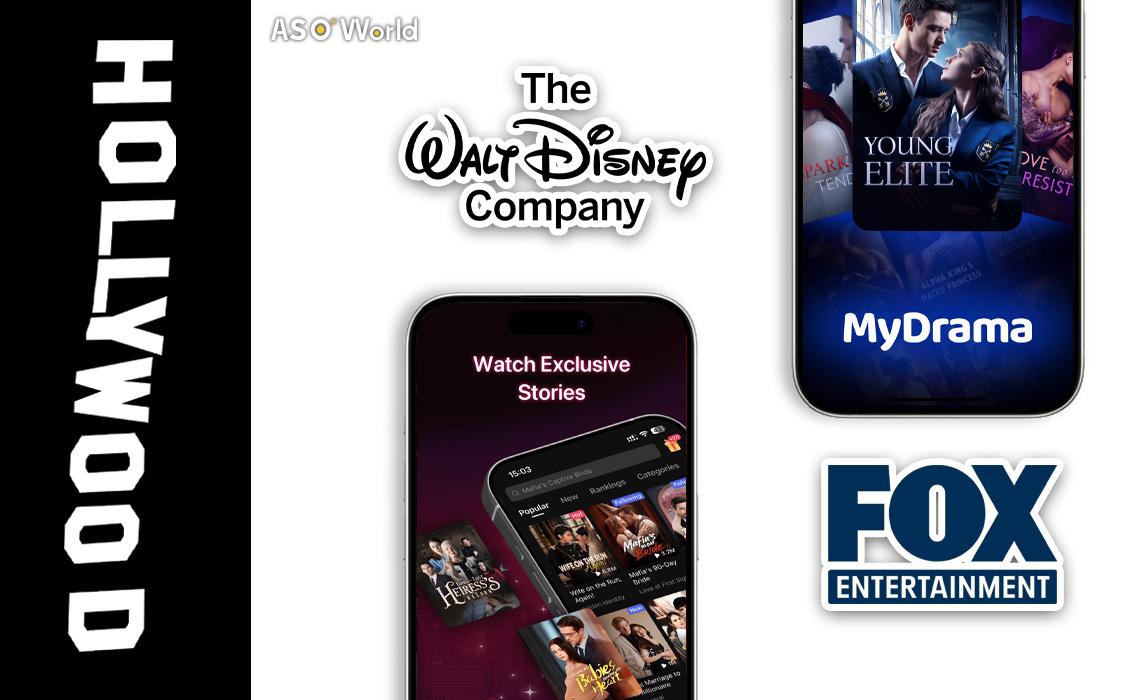
Fox Entertainment has invested directly in Holywater, a Ukrainian production company specializing in vertical dramas and the operator of the app MyDrama.
Fox plans to co-produce over 200 short dramas with Holywater within the next two years, expanding its footprint in mobile entertainment.
The Walt Disney Company
Disney has included the short-drama platform DramaBox in its startup accelerator program, signaling a strategic interest in building early-stage partnerships around mobile-first storytelling formats and distribution ecosystems.
Cineverse and MicroCo
Streaming media company Cineverse recently joined forces with MicroCo, a new venture formed by former Hollywood executives, to produce high-volume vertical micro-dramas.
Their focus is on creating serialized, mobile-optimized content designed for Western audiences.
Legacy involvement via NewTV
Earlier, NewTV (founded by Jeffrey Katzenberg) pioneered investment in premium mobile short-form entertainment.
Though the platform evolved, its backers — including Disney, Warner Bros., Sony, and Fox — laid the groundwork for today's short-drama ecosystem by validating mobile storytelling as a legitimate format.
Challenges and Creative Hurdles
Story fatigue and oversaturation
Despite its momentum, the format faces creative challenges. Many productions lean on repetitive tropes — romance, revenge, or billionaire dramas — raising questions about longevity and innovation.
Creative differentiation will be critical as audiences seek higher-quality storytelling.
Labor and production concerns
Short-drama productions often fall outside union frameworks, prompting discussions about fair compensation, residuals, and job security in Hollywood's shifting labor landscape.
Industry observers suggest that if the format continues to expand, guild involvement will become inevitable.
Monetization beyond Asia
Asia's "pay-unlock" model remains largely untested in Western markets. Audience resistance to micro-transactions could push Western studios toward ad-supported or subscription hybrids to ensure scalability and user retention.
👉 How to Promote Your Short Drama App From Ads to ASO?

Editor's Comments
Hollywood's move into short dramas reflects both opportunity and necessity.
With mobile viewing now surpassing TV among younger audiences, the traditional content pipeline must evolve.
Short dramas combine cinematic pacing with app-native interactivity, offering a bridge between entertainment and the mobile economy.
The next phase will depend on storytelling quality, localization, and user experience design.
If studios can merge creative innovation with app-driven engagement, short dramas could become the defining entertainment format of the late-2020s — reshaping how audiences watch, spend, and interact with stories.

 Follow Us on Facebook