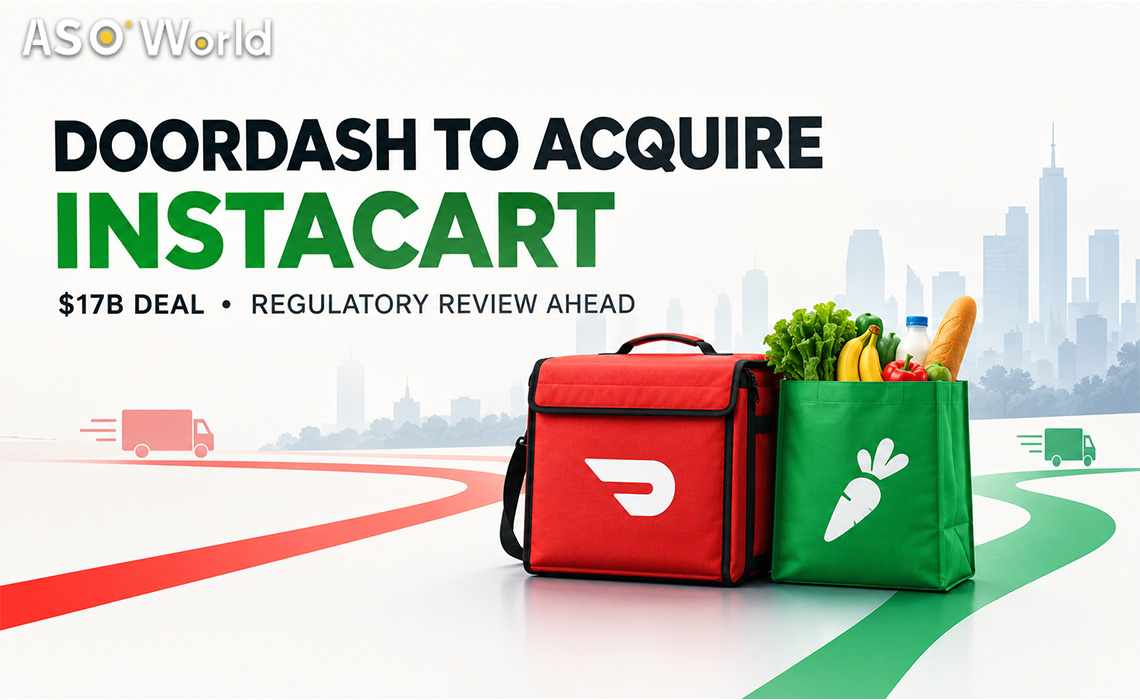

Two of the biggest names in on-demand delivery are planning to become one. On October 29, 2026, DoorDash announced a definitive agreement to acquire Instacart for $65.00 per share, an equity value of about $17 billion. The price is a 26% premium to Instacart's closing price on October 22, the last trading day before reports of a possible deal surfaced.
The deal would bring together DoorDash's delivery network and Instacart's grocery technology, and it arrives as both companies compete with Amazon and Walmart for the growing online grocery market. It will not close for a long time, and regulators have not yet weighed in. Here is a clear breakdown of the terms, the promised benefits, the open questions and the timeline.
Key Takeaways
- Price: $65.00 per Instacart share, about $17 billion in equity value, at least 75% in cash.
- Brand: DoorDash expects to keep Instacart's brand, enterprise technology products and app after closing.
- Consumers: DashPass and Instacart+ members would pay one membership fee instead of two. The combined price has not been announced.
- Timeline: Closing is expected at the end of 2027 or in the first half of 2028, subject to shareholder and regulatory approval.
- Scrutiny: Consumer and labour advocates are urging regulators to block the deal, and an earlier DoorDash attempt in 2021 fell apart partly over antitrust concerns.
The Deal at a Glance
| Detail | Info |
|---|---|
| Announced | October 29, 2026 |
| Buyer | DoorDash, Inc. (Nasdaq: DASH) |
| Target | Maplebear Inc., which operates as Instacart (Nasdaq: CART) |
| Price | $65.00 per share, about $17 billion in equity value |
| Premium | 26% to Instacart's October 22 close |
| Consideration | At least 75% cash; DoorDash stock capped at 25% |
| Financing | Cash on hand plus debt, backed by a 364-day bridge loan commitment from JPMorgan Chase |
| Expected close | End of 2027 or first half of 2028 |
| Board approval | Unanimous at Instacart; holders of about 19% of shares have agreed to vote in favour |
How the Deal Came Together
| Date | Event |
|---|---|
| 2021 | DoorDash held earlier talks to buy Instacart at a reported $40 billion to $50 billion; talks collapsed partly over antitrust concerns |
| October 22, 2026 | Instacart's last close before media reports of a possible deal |
| October 26, 2026 | Reports of advanced talks emerge; Instacart shares rise about 8% and DoorDash shares fall about 6% |
| October 29, 2026 | Definitive agreement announced, alongside DoorDash's third-quarter results |
| November 5, 2026 | Instacart's scheduled earnings report |
| Late 2027 to first half of 2028 | Expected closing |
Reports before the announcement said Instacart had also held talks with Uber, which are no longer active. Uber is busy absorbing a roughly $15 billion deal for Delivery Hero and a $2.3 billion purchase of the catering marketplace ezCater.
How Instacart Shareholders Get Paid
| Election | Per Instacart share |
|---|---|
| All cash | $65.00 |
| All stock | 0.3372 shares of DoorDash common stock |
| Mixed | $48.75 in cash plus 0.0843 shares of DoorDash stock |
Elections are subject to proration so that stock does not exceed 25% of total consideration. If the stock option is oversubscribed, those electing stock receive a prorated amount. The deal is not subject to a financing condition, and DoorDash says it is targeting a capital structure that keeps investment-grade ratings.
Why DoorDash Wants Instacart
DoorDash's argument centres on competition with large online retailers. Most grocery shopping still happens in stores, but online ordering is growing quickly. A recent survey found 15% of Americans order groceries online at least weekly, up from 4% in 2019. DoorDash says the biggest retailers are building their own fleets, warehouses, memberships and AI shopping tools, which is difficult for smaller grocers to match.
The combined company would offer grocers and retailers:
- DoorDash's delivery network and Instacart's grocery and fulfilment technology, in both apps and on stores' own websites.
- Instacart's technology for running retailers' websites and retail media networks, which can bring in advertising revenue.
- Extra capacity for online orders through DoorDash's DashMart Fulfillment Services.
- Advertising and AI tools that each company has built.
Instacart partners with more than 2,200 retail banners, representing nearly 100,000 stores. DoorDash has facilitated more than 10 billion orders and operates in more than 40 countries through brands including DoorDash, Deliveroo, SevenRooms and Wolt.
What Changes for Consumers
Promised benefits
- More stores: Instacart customers could shop at more than 50,000 additional stores, on top of the nearly 100,000 already on the platform.
- One membership fee: DashPass and Instacart+ members would pay one fee instead of two. Each currently costs $10 a month. DoorDash estimates the combined saving at about $100 million a year across members.
- Faster delivery: Grocers could add capacity and offer quicker and more affordable delivery options.
- Apps stay: The Instacart app and brand are expected to continue after closing, and the two companies run separately until the deal closes.
Open questions
- The price of the combined membership has not been announced.
- Critics warn that less competition could mean higher fees or prices, and raise questions about customer data and pricing technology.
- An earlier study found Instacart showed different customers different prices for the same items. Instacart said its tests were random and not based on personal data, and later ended the programme.
What Changes for Dashers and Shoppers
| Topic | What the companies say | What is not yet clear |
|---|---|---|
| Earning opportunities | More orders, with choice over when and how to earn, such as grocery orders on a quiet day or restaurant orders at peak times | Whether total earnings or pay per order will change |
| Shopper flexibility | Instacart Shoppers keep the flexibility to choose how much they work and the information they use to accept batches; they can choose whether to take DoorDash orders or stay Instacart-only | Whether those terms will last beyond the commitment period |
| Scale | More than 9 million people delivered an order through DoorDash in 2025; Instacart had roughly 600,000 shoppers in December | How the two workforces will overlap |
The deal follows DoorDash's agreement last month to pay $131.5 million to settle claims that it underpaid delivery workers in New York City, a point critics have already raised.
What Changes for Grocers and Brands
DoorDash has committed to an open platform with no grocery exclusivity after closing, meaning local grocers can keep working with any delivery provider they choose. For brands, the companies argue the combination would create a scaled alternative for reaching online customers. Critics point to a different possibility: with two major platforms merged, retailers and brands could have less bargaining power over fees and advertising terms.
The Market Context
Consumer spending data shows how much the delivery market has already shifted toward DoorDash:
| Platform | Share, Q2 2021 | Share, Q3 2026 |
|---|---|---|
| DoorDash | About 44% | Nearly 59% |
| Instacart | About 26% | About 18% |
| Uber Eats | About 16% | About 18% |
These figures cover spending across major restaurant and grocery delivery platforms, not groceries alone, so the share of the grocery category specifically would differ. Still, they show a market where the leader has been gaining ground, which is the backdrop to regulators' questions.
Antitrust and Criticism
The deal needs approval from Instacart shareholders and must clear U.S. antitrust review under the Hart-Scott-Rodino Act, along with regulatory approvals in Canada and Israel. Analysts say the current administration has shown greater willingness to approve deals than the previous one, which helps explain why the idea is back after the 2021 attempt.
Opposition has already started:
- A progressive think tank has urged the Federal Trade Commission to block the deal, citing the companies' pricing technology.
- New York City's mayor said consolidation means higher prices, harsher exploitation and greater inequality, pointing to DoorDash's treatment of delivery workers.
The companies counter that the deal gives local stores tools to compete with the largest retailers, and cite their commitments on open access and shopper flexibility.
Why It Matters for App Marketers
This section is ASOWorld's editorial analysis, not a statement from either company.
For anyone marketing delivery, grocery or marketplace apps, the deal points to several shifts:
- Fewer big competitors. A combined company would hold a larger share of delivery installs and search demand. Smaller apps will compete against a single, better-funded rival.
- Two apps, one ecosystem. Keeping both apps means DoorDash will likely cross-promote them, which could change install patterns and the keywords each brand targets.
- Retail media growth. Instacart's advertising business could expand with DoorDash's reach, so brand and grocer advertisers should watch for new placements and formats.
- Long runway. With closing at least a year away, apps have time to adapt. Until then, the two companies must keep competing independently.
What to Watch Next
- Regulatory filings. A merger registration statement and the antitrust review will reveal more detail.
- Instacart's November 5 results. The first earnings report since the announcement.
- Combined membership pricing. The price will decide how much consumers actually save.
- Worker terms. Any details on pay and flexibility for Dashers and Shoppers.
- Regulatory response. Whether the FTC or other agencies seek changes, divestitures or a block.
Quick Answers: DoorDash and Instacart
How much is DoorDash paying for Instacart?
$65.00 per share, an equity value of about $17 billion, at least 75% of it in cash.
When will the deal close?
At the end of 2027 or in the first half of 2028, subject to shareholder and regulatory approvals.
Will the Instacart app go away?
DoorDash says it expects to keep Instacart's brand, enterprise products and app after closing.
Will DashPass and Instacart+ be combined?
The companies say members would pay one membership fee instead of two, but have not announced the price.
What happens to Instacart Shoppers?
DoorDash says Shoppers keep their flexibility and can choose whether to take DoorDash orders or keep shopping only on Instacart.
Could regulators block the deal?
It must clear U.S. antitrust review and approvals in Canada and Israel. Advocacy groups have urged regulators to block it, and an earlier 2021 attempt fell apart partly over antitrust concerns.
 Follow Us on Facebook