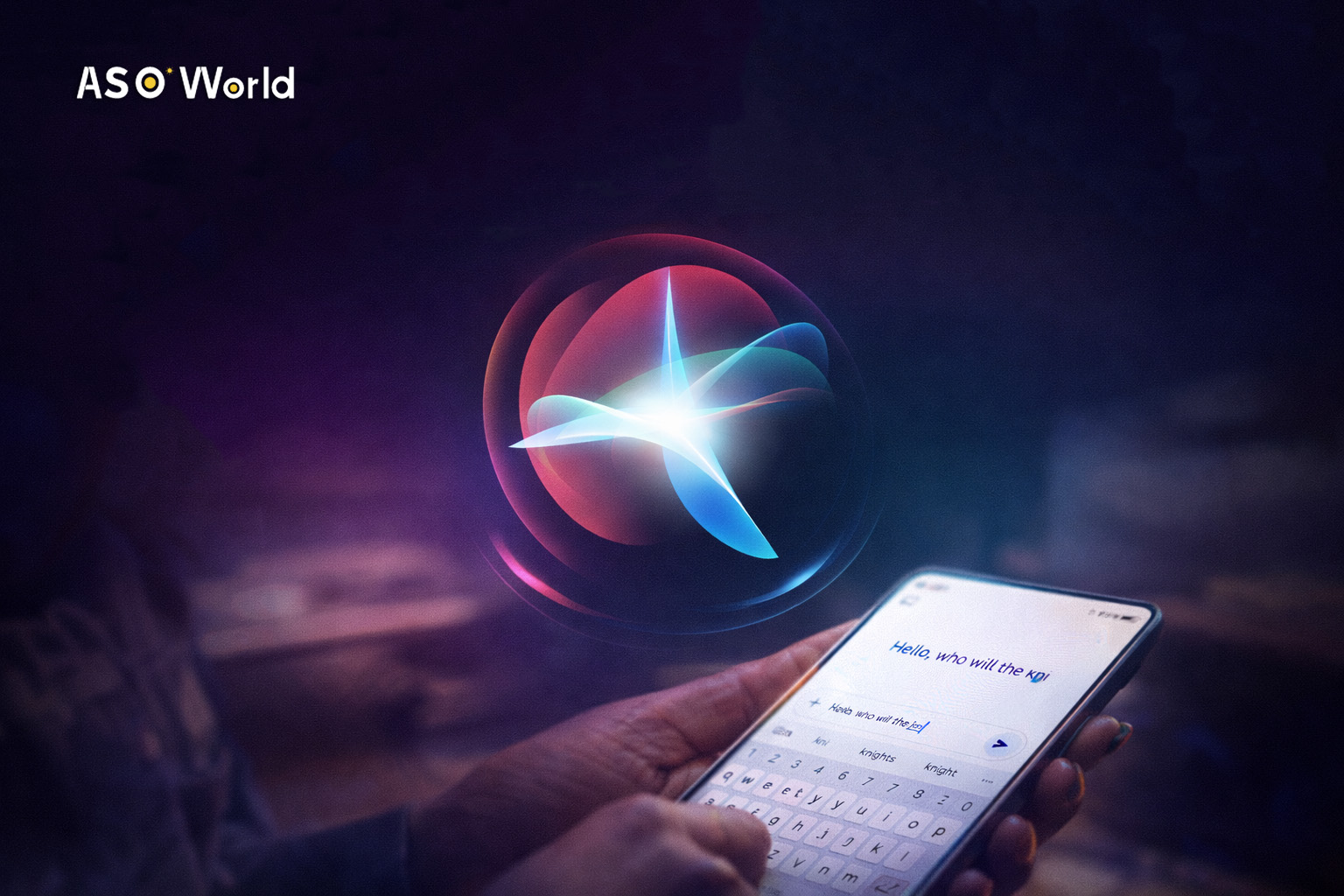

Apple is testing a standalone version of Siri alongside a system-wide “Ask Siri” feature as part of a broader AI overhaul planned for iOS 27 and macOS 27. According to recent reports, the upgrade—expected to be unveiled at WWDC—transforms Siri into a chatbot-style assistant capable of continuous conversations, contextual memory, and deep integration across core apps.
👉 WWDC 2026 Preview: iOS 27, Siri Chatbot & M5 Mac Updates
Beyond product changes, this shift signals a potential restructuring of how users access information and services, with implications for App Store traffic distribution and developer acquisition strategies.
Siri’s Evolution Into a Chatbot-Style AI Interface
From Voice Assistant to Conversational Platform
The new Siri experience replaces its traditional command-response model with a conversational interface similar to ChatGPT. Users will be able to interact through text and voice, maintain chat history, and perform multi-step tasks within a persistent dialogue.
Deep System Integration Across Apple Ecosystem
Apple is embedding Siri across native applications such as Mail, Music, Photos, and Xcode. Features under testing include:
- Searching and editing photos using natural language
- Writing assistance through “Write with Siri”
- A universal “Ask Siri” toggle across the OS
This positions Siri not just as a feature, but as a system-wide interaction layer.
Infrastructure and AI Capabilities Behind the Upgrade
Leveraging External AI Models
Apple is reportedly partnering with Google to integrate Gemini models, enabling:
- Context awareness and memory
- Proactive suggestions
- Improved response accuracy
This hybrid approach combines Apple’s ecosystem control with third-party AI capabilities to accelerate deployment.
Addressing Previous Performance Limitations
The overhaul follows multiple delays due to issues such as slow responses, inaccurate outputs, and poor task handling. The redesigned architecture aims to resolve these limitations while delivering a more competitive AI experience.
Implications for App Store Traffic and Competition
Restructuring User Entry Points
By introducing a standalone Siri app and system-level AI triggers, Apple is effectively creating a new primary entry point for user interaction. This may reduce reliance on traditional App Store search behavior.
Increased Competition for AI and Tool Apps
Apps competing in AI assistant, search, and productivity categories may face direct competition from system-level functionality. This could:
- Shift keyword ranking dynamics
- Concentrate traffic around platform-native solutions
- Reduce discoverability for generic AI-related terms
Strategic Adjustments for Developers
Transitioning From Functional to Intent-Based Positioning
As system-level AI absorbs generic use cases, developers may need to:
- Move away from broad “AI assistant” keywords
- Focus on scenario-based and intent-driven queries (e.g., task-specific use cases)
Strengthening Visibility Through ASO Optimization
To remain competitive, developers should prioritize:
- Long-tail keyword discovery
- Continuous keyword monitoring
- Competitive analysis to identify gaps in system coverage
These strategies help mitigate traffic loss and uncover new acquisition opportunities.
Comments
Apple’s move to reposition Siri as a standalone AI product reflects a broader shift from feature-level AI to platform-level control. For developers, the key challenge is no longer access to AI capabilities, but maintaining visibility within an ecosystem where the platform itself becomes a dominant competitor. This transition is likely to redefine App Store growth strategies, placing greater emphasis on discoverability, niche positioning, and adaptive keyword optimization.
FAQ
1. How will the standalone Siri app affect existing AI and productivity apps?
System-level integration may overlap with existing AI assistant features, potentially changing user discovery and app usage patterns. Developers may need to adjust positioning and keywords.
2. Will the Siri app change App Store search rankings or visibility?
Introducing a system-native AI entry point could shift traffic away from traditional search queries, affecting discoverability for apps with overlapping functionality.
3. How can apps maintain user acquisition amid Siri’s AI integration?
Focusing on scenario-based use cases, long-tail keywords, and intent-driven positioning can help apps capture niche traffic unaffected by system-level competition.
4. What new features of Siri should developers pay attention to?
Chatbot-style conversation, context retention, proactive suggestions, and deep integration with core apps (Mail, Music, Photos, Xcode) are key areas that could redefine how users interact with apps.

 Follow Us on Facebook