
In the competitive field of artificial intelligence, companies like Google and OpenAI have released frequent updates, while Apple has taken a more measured approach.
Recent reports indicate that the ongoing delays in updating Siri may reflect not only current difficulties but also preparations for more extensive AI developments.
As features from Apple Intelligence are introduced gradually, experts and sources are examining what this means for the company's long-term strategy.
Background on Apple Intelligence & Siri Updates
The process began at WWDC 2024, when Apple introduced Apple Intelligence, highlighting an improved Siri with features such as contextual understanding, app integrations, and advanced generative capabilities.
The initial plan called for launches starting in late 2024 with iOS 18.
However, as of now, core elements like enhanced personal context and app controls have been postponed to spring 2026.
This series of delays has prompted questions from users and developers about Apple's progress in AI.
Key Reasons for the Delays
Technical Issues
Several factors contribute to these postponements, based on internal reports and analyses.
Technically, Apple's focus on on-device processing to protect user privacy has created conflicts with the requirements for complex AI functions.
This has resulted in inconsistent performance during testing, including issues with managing extended contexts and voice commands while maintaining low latency and efficient memory use.
Additionally, concerns over security, such as risks from prompt injection, have led to stricter quality standards before release.
Organizational Challenges
From an organizational perspective, challenges include coordination problems between AI and software teams, as well as leadership issues within the Siri group.
Reports note that about a dozen AI specialists have moved to competitors like Meta and OpenAI, affecting development efforts.
The rapid announcements following WWDC appear to have set expectations that some features were not yet ready to meet.
Strategic Considerations
Apple's leadership has emphasized a preference for thorough development over quick releases, noting that the company often prioritizes reliability.
This approach aligns with past practices but has drawn criticism for potentially slowing innovation in a fast-evolving sector.
Indications of Larger AI Goals
Upcoming Features and Integrations
Despite the setbacks, evidence suggests these delays are allowing time for broader initiatives.
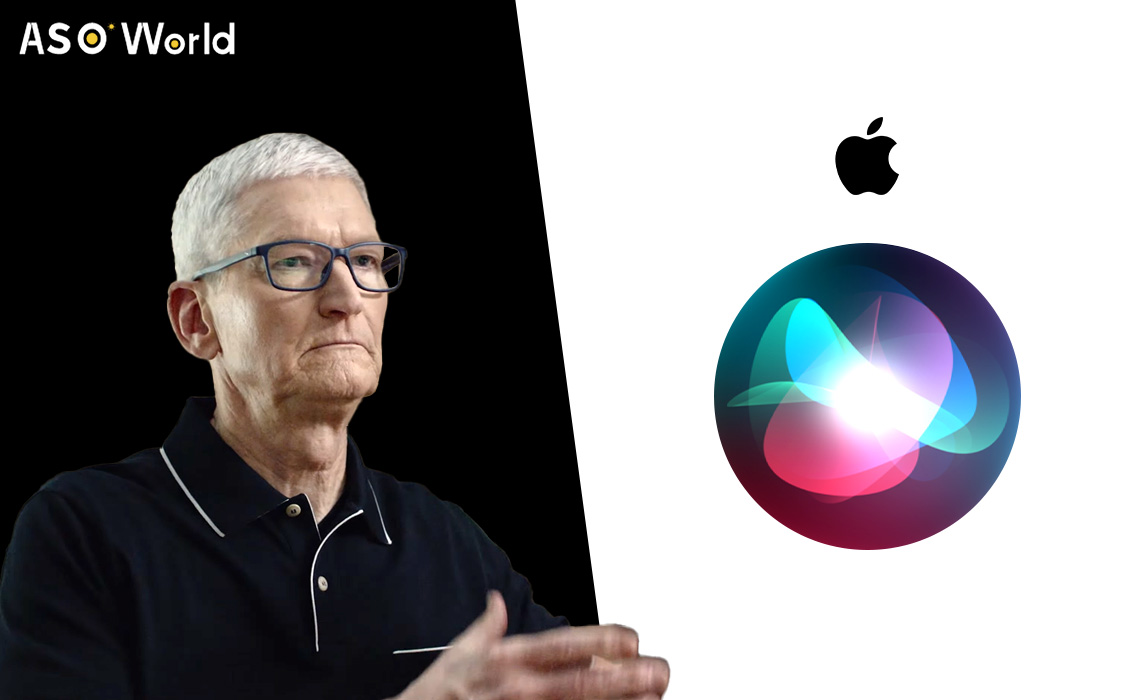
In a recent internal meeting, CEO Tim Cook described AI as a significant opportunity and committed to substantial resources, while pointing out that Apple has succeeded without always being the first to market.
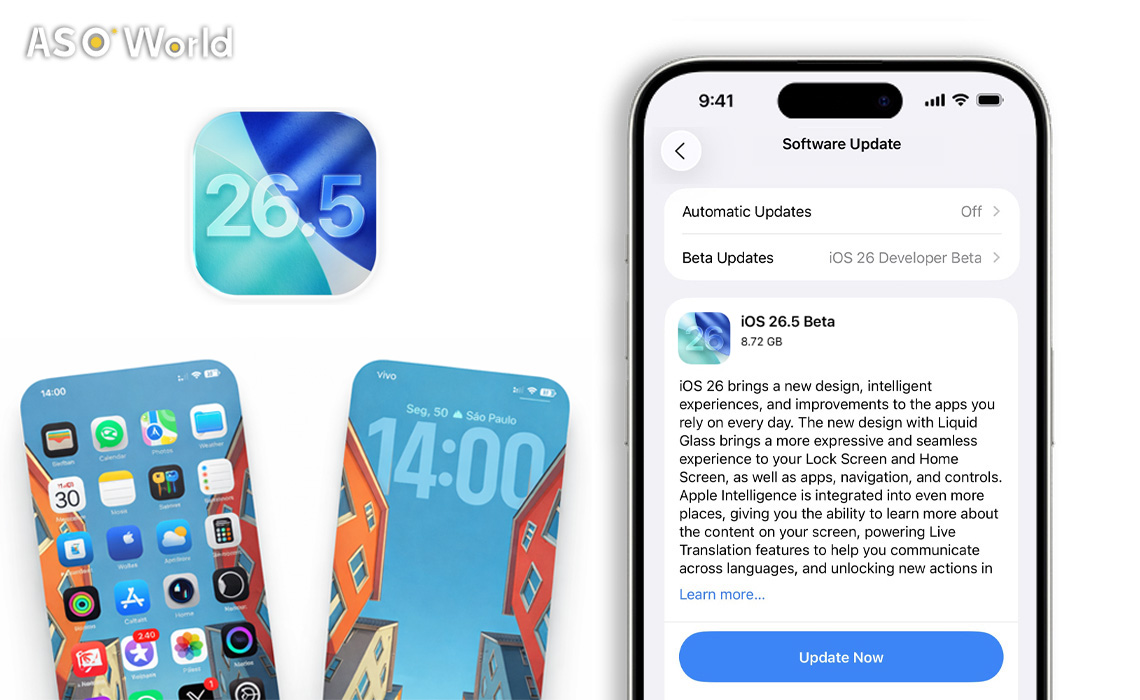
Upcoming features in iOS 26.4 could include comprehensive voice control for both Apple and third-party apps, aiming to enable fully hands-free interactions.
Success here would depend on developer participation and resolving on-device limitations.
Developer Tools and Future Products
Apple is also providing developers with access to on-device foundation models to support secure AI applications, which could extend to future products like augmented reality devices.
Discussions about partnerships, such as with Anthropic or expanded use of OpenAI technology, may enhance Siri's underlying systems.
By 2026, the company plans to integrate AI more deeply across its products, potentially reaching a large portion of global users.
Public & Market Response
Opinions vary on platforms like Twitter, with some supporting Apple's careful rollout to ensure stability, and others viewing the delays as a setback in the AI competition.
While stock prices have shown limited reaction so far, continued postponements could influence consumer choices, especially if alternatives offer more immediate AI benefits.
As developments unfold, the focus remains on whether Apple's strategy will lead to reliable and integrated AI solutions.
These delays highlight the balance between innovation speed and product quality in the tech industry.
Editor's Comments
Apple's journey with Siri and AI has always been one of calculated steps rather than rushed leaps, and this latest chapter is no exception.
While the delays might frustrate early adopters eager for cutting-edge features, they also reflect the company's longstanding philosophy: prioritize user trust and seamless integration over being first to market.
If Apple pulls off its ambitious plans—like truly hands-free app control and privacy-focused on-device AI—it could redefine personal computing once again.
That said, in an era where competitors are iterating at breakneck speed, time will tell if patience pays off or if Apple risks falling behind.
This report captures a pivotal moment in tech, and we'll be watching closely for what's next.

 Follow Us on Facebook