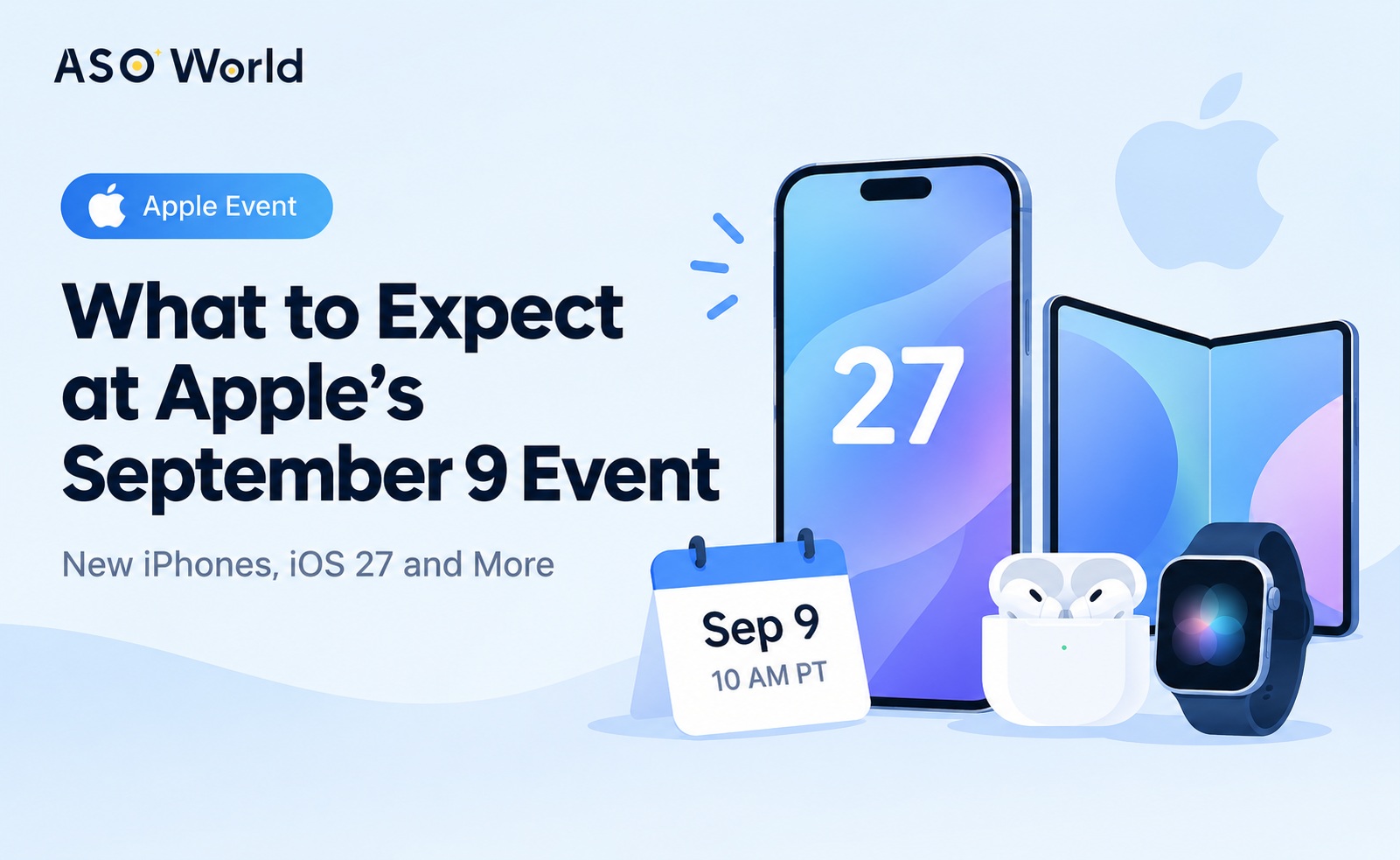

Apple's biggest event of the year is finally here. On Wednesday, September 9, 2026, the company will host "Surprise and Shine" — a keynote most analysts expect to be the most consequential iPhone launch in years. The stream is set for 10:00 a.m. PT / 1:00 p.m. ET, and the rumor mill has been relentless: a first-ever foldable iPhone, a reworked iPhone 18 Pro lineup, new Apple Watch and AirPods models, a long-awaited push into the smart home, and the first Apple event hosted by new CEO John Ternus. Here is everything we expect to see — and the dates you should put on your calendar before, during, and after the show.
The Event Itself: A Changing of the Guard
"Surprise and Shine" marks a historic moment beyond the products. After 15 years leading Apple, Tim Cook is stepping into the role of executive chairman, and John Ternus — Apple's former head of hardware engineering — will host his first keynote as CEO. Cook may not appear on stage at all. For app developers and marketers, this transition matters almost as much as the hardware: Ternus is widely seen as a product-first leader, and his debut keynote is expected to set the tone for Apple's next decade of releases.
| Detail | Info |
|---|---|
| Event name | "Surprise and Shine" Apple Event |
| Date & time | Sept 9, 10:00 a.m. PT / 1:00 p.m. ET / 6:00 p.m. BST / Sept 10, 2:00 a.m. JST |
| How to watch | Apple.com, YouTube, Apple TV app (free livestream) |
| Key storyline | First keynote hosted by new CEO John Ternus |
The Foldable iPhone Ultra: Apple Finally Folds
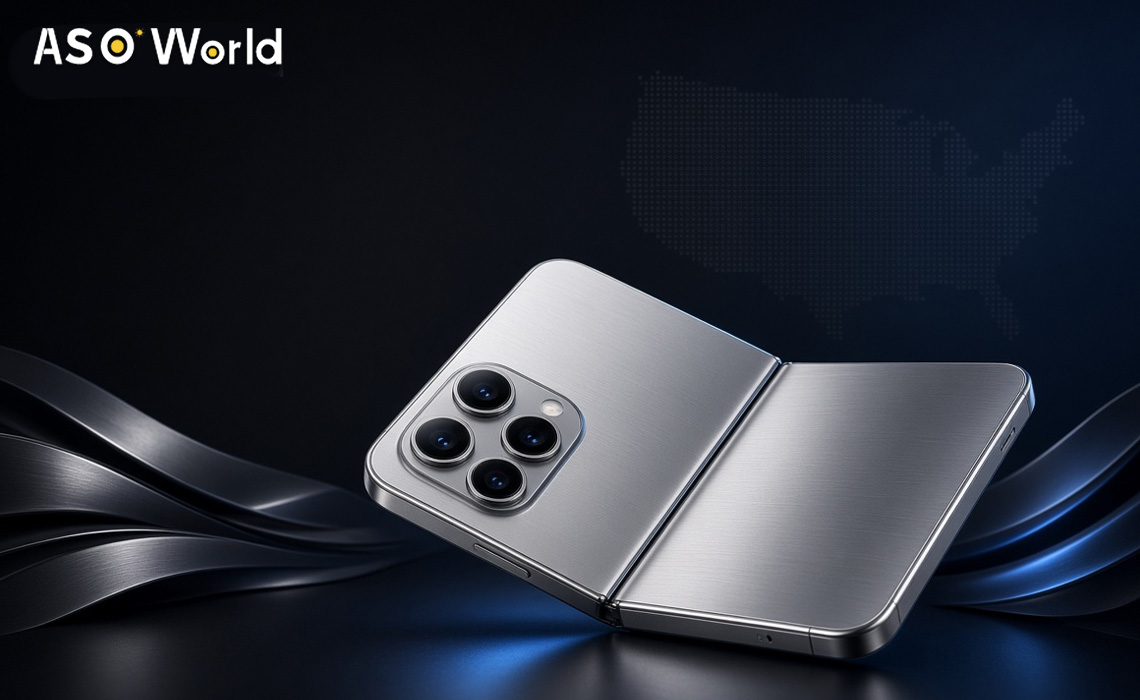
More than five years after Samsung popularized the category, Apple is expected to unveil its first foldable iPhone — rumored to be called the iPhone Ultra. Early testers cited by Bloomberg's Mark Gurman describe a premium, pocket-friendly device that opens into a wide, iPad-like display. Expect a 5.5-inch cover OLED screen that unfolds to a 7.8-inch inner display — roughly an iPad mini that folds in half, with a body as thin as 4.5mm when opened.
To hit that slimness, Apple reportedly made bold trade-offs: Touch ID moves to a side button (the same style as the iPad Air) because there is no room for the TrueDepth camera system, and the rear camera is a dual-lens setup (Wide + Ultra Wide) without a telephoto. MagSafe survives, and Apple has invested heavily in hiding the foldable's biggest weakness — the crease — using a durable liquid-metal hinge and optically clear adhesive that fills micro-cracks over time.
| Spec (rumored) | iPhone Ultra (foldable) |
|---|---|
| Displays | 5.5" cover OLED → 7.8" inner OLED, ~4.5mm thin when open |
| Chip | 2nm A20 Pro (≈18% faster, up to 30% more efficient), 12GB RAM, C2 modem |
| Authentication | Touch ID side button (no Face ID) |
| Cameras | Dual rear: Wide + Ultra Wide, no telephoto |
| Battery | ~5,400–5,800 mAh across two cells (iPhone 17 Pro Max: 5,088 mAh) |
| Price (rumored) | From $2,000, up to ~$2,500 for high-capacity models |
Software will make or break the Ultra. Apple has told developers to design for a wide range of sizes and aspect ratios, and the foldable is expected to support true multitasking — side-by-side apps and iPad-style sidebars — running iOS rather than iPadOS. One unique angle for app marketers: if the foldable ships in meaningful volume, categories like productivity, media, and commerce apps will suddenly need to serve a brand-new screen shape.
iPhone 18 Pro and 18 Pro Max: Refinement, Not Revolution
For buyers who don't want a $2,000 experiment, the iPhone 18 Pro and Pro Max deliver the dependable annual upgrade — with a few standout changes. Both models are expected to run the 2nm A20 Pro chip, reported to be roughly 18% faster and up to 30% more power-efficient than the A19 Pro, and both should gain Apple's new C2 modem. The Pro Max is tipped for a larger battery (around 5,567 mAh) and an upgraded LTPO+ display, with total battery-life gains of up to 8%.
The headline camera change is a DSLR-style variable aperture on the main lens, giving photographers real control over light and background blur — possibly exclusive to the Pro Max. Apple is also expected to shrink the Dynamic Island slightly, simplify the Camera Control button, and offer new finishes including dark cherry, light blue, and silver (reportedly no black option this year). The catch: memory and component costs mean the Pro lineup could cost $100–$300 more than the iPhone 17 Pro generation.
Apple Watch Series 12, Ultra 4, and AirPods 5: Health and Audio
Apple's wearables are also due for an upgrade. The Apple Watch Series 12 is expected to bring a faster processor, a returning ceramic case option, and a headline health feature: continuous heart-rate data collection powering an Oura Ring-style wellness score in the Health app. The Apple Watch Ultra 4 will likely get the same processor bump plus new health sensors and design tweaks — no redesigns on either watch, but meaningful feature additions.
In audio, AirPods 5 should arrive with an updated H3 chip for better sound and lower latency, in both ANC and non-ANC variants. The viral rumor of AirPods with built-in cameras — described by Gurman as "eyes for Siri" that capture low-resolution visual data for the assistant's Visual Intelligence rather than photos or video — is reportedly a 2027 product, so don't expect it on stage this week.
The Smart Home Push: A 7-Inch Home Hub and More
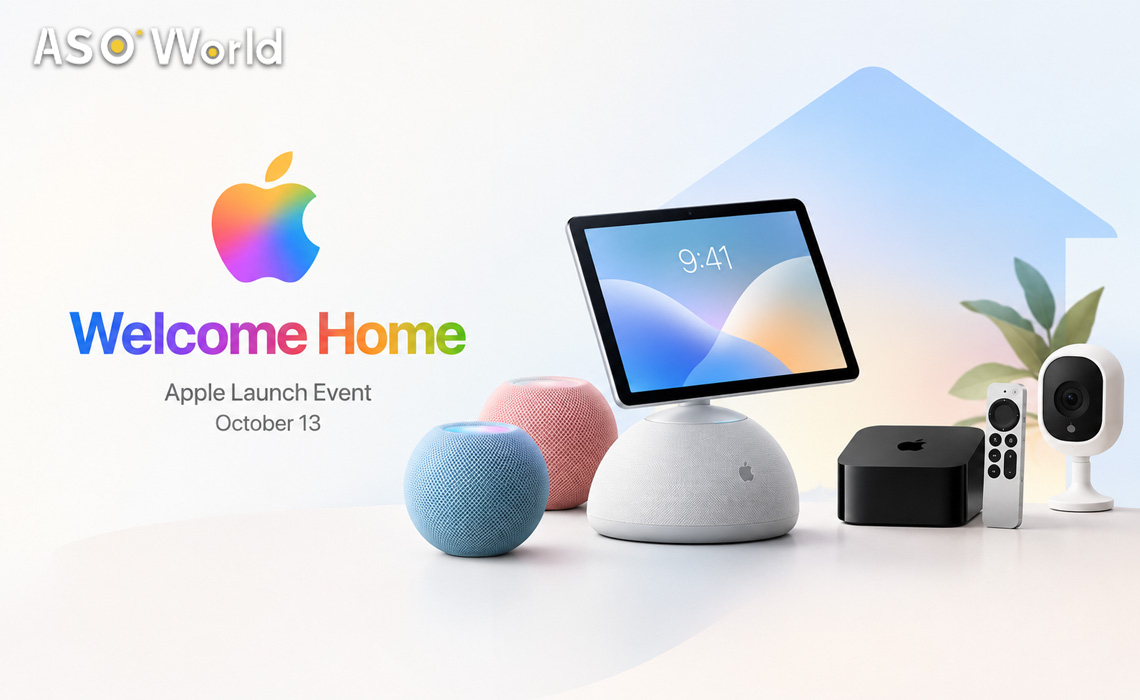
Consumer tech's most interesting hardware category this year may not be a phone at all. Apple is widely expected to use the event to revive its smart-home ambitions with a 7-inch square display "home hub" (rumored names: HomePad or HomePod Touch) with an integrated camera, presence detection, and app support — video calls, media playback, and a central role for the new Siri AI. Supporting the hub will be a HomePod mini 2 refresh and a new Apple TV 4K with a faster processor, Siri AI, and an updated remote. This is Apple doubling down on the home as a platform — a signal worth watching for anyone marketing accessories, streaming, or smart-home apps.
Software: iOS 27, Siri AI and the Gemini Partnership
Hardware gets the headlines, but the software story is just as big. Apple will confirm release dates for iOS 27, iPadOS 27, macOS Golden Gate, watchOS 27, tvOS 27, and visionOS 27 — and based on past cadence, public rollout could begin as soon as Monday, September 14. This year's flagship feature is the Gemini-powered Siri AI, Apple's new conversational assistant announced at WWDC 2026, built on its Google partnership. The keynote is also expected to show off refinements to the Liquid Glass design language (including new transparency and tint controls) and expanded Visual Intelligence, with Siri AI anchoring everything from the home hub to the smart glasses-style features rumored for 2027.
📱 What this means for app developers: This is the first September in years with three very different iPhone screen experiences launching at once — the foldable's 7.8-inch multitasking layout, the Pro's refined display, and older devices on iOS 27. Update layouts now with Apple's flexible sizing guidance, validate against the iOS 27 beta's Liquid Glass changes, and watch the ASO window: apps tuned for "iPhone Ultra" and "Siri AI" keywords could ride a wave of preorder-week curiosity. Tools like ASOWorld's app store optimization solutions can help you monitor those keyword shifts in real time.
The Post-Keynote Timeline: Preorders, iOS Release and Ship Dates
The most practical part of this preview: when can you actually get the new hardware? Apple almost always opens preorders on the Friday after its event, but this year that Friday is September 11 — a date Apple has avoided for new iPhone launches before. In 2015, preorders slipped to Saturday, and most reporters expect the same this year: preorders on Saturday, September 12, with devices arriving Friday, September 18.
| Date (2026) | Milestone |
|---|---|
| September 9 | "Surprise and Shine" keynote, 10:00 a.m. PT |
| September 12 (likely) | iPhone 18 Pro, Pro Max & Ultra preorders (pushed off 9/11) |
| September 14 (as soon as) | iOS 27 / iPadOS 27 / watchOS 27 public release |
| September 18 | New iPhones expected in stores |
What Comes Next: October Surprises and the Spring 2027 iPhone 18
One of the most notable breaks with tradition: the standard iPhone 18 won't be in this event at all. Apple is reportedly delaying it to spring 2027, launching it alongside the iPhone 18e and iPhone Air 2 — the first time Apple has shipped premium models before its entry-level flagship. Beyond September, expect a separate October or November event for M6 MacBook Pro and iMac models, an OLED iPad mini, and perhaps the budget MacBook Neo, before the camera-toting AirPods and the full Siri AI rollout land in 2027.
Stick with us for full keynote coverage, hands-on impressions, and preorder-day availability details as the announcements go live. The Ternus era starts on September 9 — and the first five minutes of that keynote will tell you exactly how different things are going to be.

 Follow Us on Facebook