Apple около восьми лет наблюдала за тем, как Samsung, Huawei, Honor, Oppo и Xiaomi создавали целую категорию складных смартфонов, прежде чем сама в неё вошла. 9 сентября 2026 года она наконец это сделала — и сразу оказалась в самом конкурентном периоде за всю историю этой категории. За два дня до мероприятия Apple Xiaomi и Huawei одновременно представили собственные новые складные флагманы, намеренно рассчитывая выпустить их на китайские полки ещё до того, как iPhone Duo можно будет предварительно заказать.
В результате рынок действительно оказался переполнен предложениями. Шесть серьёзных складных смартфонов — от шести разных компаний — уже продаются или вот-вот поступят в продажу по ценам примерно от $1,300 до почти $3,000. В этом руководстве подробно разбирается, как первый складной смартфон Apple выглядит на фоне конкурентов на бумаге, что на самом деле говорит ранняя реакция в Китае и в каком направлении движется более широкий рынок складных устройств.
Что произошло на сентябрьском мероприятии Apple
Новый генеральный директор Apple Джон Тернус использовал свою первую сентябрьскую презентацию — прошедшую в Steve Jobs Theater в рамках мероприятия, которое Apple назвала "Surprise and Shine" — чтобы завершить шоу представлением iPhone Duo, назвав его самым значительным изменением iPhone со времён оригинальной модели. Это было первое крупное мероприятие Apple по запуску продукта после ухода Тима Кука в предыдущем месяце.
Вместе с Duo Apple также представила iPhone 18 Pro и Pro Max (оба на $100 дороже прошлогодних моделей, что Apple объяснила ростом стоимости памяти), обновлённые Apple Watch Series 12, AirPods 5 и два новых варианта расцветки iPhone 18 — glacier и burgundy, дополнившие прошлогодний Cosmic Orange.
Ключевые факты об iPhone Duo из презентации:
- Представлен: 9 сентября 2026 года
- Предзаказы открываются: 16 октября 2026 года
- В продаже: 23 октября 2026 года
- Стартовая цена в США: $1,999 (256 ГБ), до 2 ТБ
- Стартовая цена в Китае: 15,999 юаней (около $2,230)
Одна деталь особенно выделяется именно в Китае: у iPhone Duo нет физического слота для SIM-карты, он полностью полагается на eSIM. На большинстве рынков это лишь небольшое неудобство, но в материковом Китае для активации eSIM потребуется посетить салон оператора и пройти проверку личности — дополнительная сложность, с которой не сталкиваются конкурирующие китайские складные смартфоны, по-прежнему поддерживающие физические SIM-карты.
iPhone Duo: полный разбор характеристик
Подход Apple к своему первому складному смартфону намеренно консервативен: внутренний и внешний дисплеи имеют одинаковое соотношение сторон, поэтому уже существующие в App Store приложения не придётся заново создавать для заполнения экрана необычной формы. Ниже приведены все характеристики, подтверждённые Apple на момент запуска.
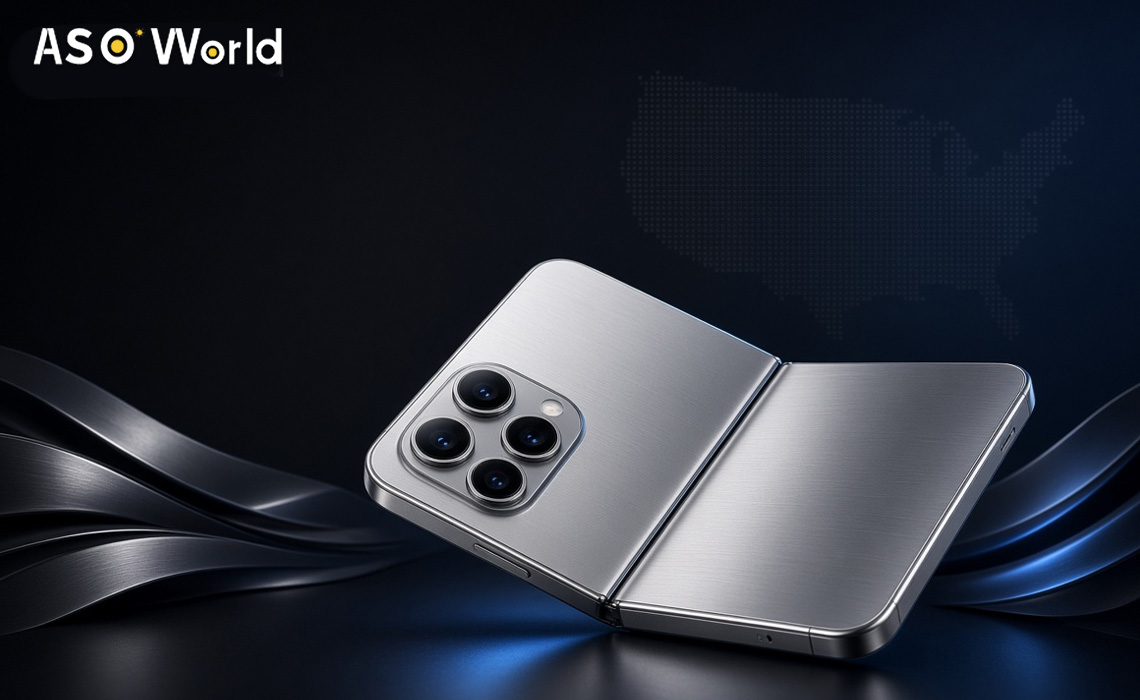
- Дизайн: складной форм-фактор в виде книги, рамка из титана Grade 5 с зеркально отполированной поверхностью, напечатанная на 3D-принтере крышка шарнира из переработанного титана, шарнир более чем из 100 компонентов с индивидуальным профилем крутящего момента
- Размеры (в сложенном состоянии): 117.8 x 84.1 x 11.3 мм, 254 г — примерно с паспорт
- Размеры (в разложенном состоянии): толщина 5.2 мм — самый тонкий iPhone в истории Apple, немного тоньше iPhone Air
- Дисплеи: внешняя Super Retina XDR OLED-панель размером 5.4 дюйма и внутренняя размером 7.6 дюйма, обе с ProMotion до 120 Гц, поддержкой Always-On и пиковой яркостью на улице до 3,000 нит; внутренняя панель использует нанотекстурированное покрытие с низкой отражающей способностью, призванное сделать складку менее заметной
- Чип: A20 Pro (6-ядерный CPU, 7-ядерный GPU, двойной Neural Engine с 32 ядрами в сумме), охлаждение с испарительной камерой, модем C2
- Безопасность: Touch ID вместо Face ID — впервые среди актуальных моделей iPhone
- Камеры: тыловая система 48MP Dual Fusion (48MP основная с диафрагмой f/1.6 и 48MP сверхширокоугольная с диафрагмой f/2.2), без отдельного телефотообъектива в первом поколении, а также две фронтальные камеры для внутреннего и внешнего дисплеев
- Программное обеспечение камеры для складного форм-фактора: Duo Preview, Smart Take, Kid Cue и Duo FaceTime, все функции созданы с учётом наличия двух экранов
- Аккумулятор: система из двух аккумуляторов, рассчитанная примерно на 31 час воспроизведения видео на внутреннем экране, 44 часа на внешнем экране или около 24 часов смешанного использования; проводная зарядка мощностью 60 Вт достигает 50% примерно за 20 минут, MagSafe или Qi2 — примерно за 30 минут
- Защита: рейтинг IP68, защита при погружении на глубину до 6 метров в течение 30 минут; внешний дисплей защищён Ceramic Shield 2, который, по словам Apple, в три раза устойчивее к царапинам, чем покрытие предыдущего поколения
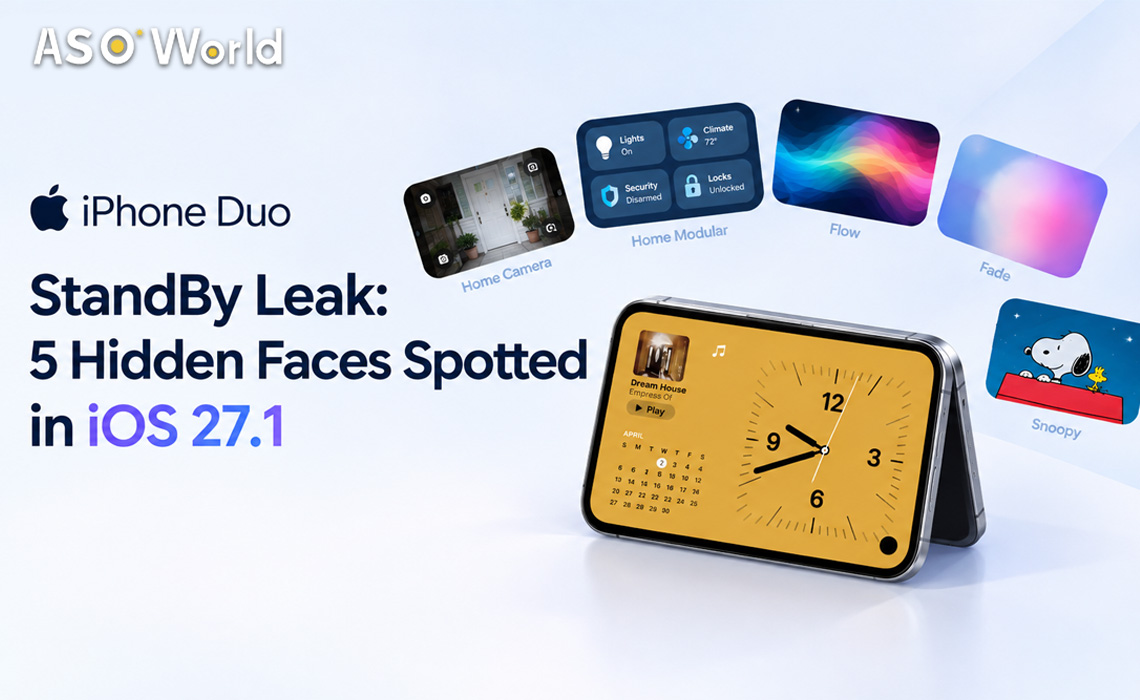
- Программное обеспечение: iOS 27 создана с учётом различных состояний складного устройства и включает многозадачность Split View (два приложения или два окна одного приложения рядом), работу Siri AI в одной панели, пока в другой активно другое приложение, режим StandBy без подключения к зарядке, а также интерфейсы, автоматически адаптирующиеся к разным углам складывания и ориентациям; поддержка Apple Pencil через USB-C появится позднее в 2026 году
- Память: от 256 ГБ до 2 ТБ
Знакомьтесь с конкурентами: Samsung, Huawei, Xiaomi, Honor и Oppo
iPhone Duo выходит не в пустую категорию — до выхода Apple на сцену в ней уже успели появиться пять крупных флагманов 2026 года.
Samsung Galaxy Z Fold8 и Z Fold8 Ultra
Представив устройства 22 июля 2026 года, Samsung впервые разделила линейку складных флагманов на два устройства. Z Fold8 получил совершенно новую "широкую" форму — он короче, шире и в разложенном состоянии ближе к планшету с соотношением сторон 4:3 — и стоит от $1,899. Z Fold8 Ultra сохраняет более высокие и привычные пропорции книжного форм-фактора прошлых моделей Fold, но оснащён увеличенным внутренним экраном 8.0 дюйма; его цена начинается от $2,099. Оба устройства работают на Android 17 с One UI 9 и чипом Samsung Snapdragon 8 Elite Gen 5.
Huawei Mate XT2
Второе поколение трёхстворчатого складного смартфона Huawei, представленное 7 сентября и поступившее в продажу 12 сентября, на этот раз складывается внутрь, а не частично открывает экран, как оригинальный Mate XT. В полностью раскрытом виде устройство предлагает 10.2-дюймовый дисплей с разрешением 3K; в сложенном состоянии для повседневного использования предназначен отдельный внешний экран размером 6.5 дюйма. Смартфон работает на фирменном чипе Huawei Kirin 9050 Pro и HarmonyOS 7, а также получил встроенный дисплей конфиденциальности — впервые среди трёхстворчатых моделей. Цены начинаются от 19,999 юаней (около $2,980) и доходят до 29,999 юаней за коллекционную версию на 2 ТБ. Huawei заявляет, что в общей сложности уже поставила более миллиона трёхстворчатых смартфонов, а компания по-прежнему контролирует примерно две трети всего китайского рынка складных устройств.
Xiaomi 18 Fold
Также выпущенный на той же неделе, что и смартфон Huawei, первый "широкий" складной смартфон Xiaomi сочетает внешний дисплей размером 5.38 дюйма с внутренним экраном 7.58 дюйма, оба с яркостью до 4,000 нит. Это первый смартфон, поставляемый с собственным 3-нм чипом Xiaomi XRING O3 вместо процессора Qualcomm; в максимальной конфигурации он также оснащён памятью CXMT отечественного производства — это намеренный шаг по снижению зависимости от импортных компонентов. Цена начинается от 10,999 юаней (примерно $1,640), а ограниченная керамическая версия тиражом 1,500 устройств стоит 15,999 юаней.
Honor Magic V6
Модель Honor почти полностью построена вокруг тонкости: 4.0 мм в разложенном состоянии и 8.75 мм в сложенном, при этом она оснащена внутренним дисплеем 7.95 дюйма и аккумулятором ёмкостью 6,660 мАч — необычно большим для столь тонкого устройства. Смартфон работает на Snapdragon 8 Elite Gen 5 и стоит в Китае всего от 8,999 юаней (около $1,310), что делает его самым доступным премиальным складным устройством в этом сравнении с заметным отрывом.
Oppo Find N6
Последняя модель Oppo продолжает репутацию компании как производителя смартфонов с минимально заметной складкой, на этот раз благодаря дизайну Zero-Feel Crease. Устройство сочетает внутренний дисплей 8.12 дюйма с внешним экраном 6.62 дюйма, основной камерой 200MP и самым ёмким аккумулятором в этой группе — 6,000 мАч; цена начинается от 9,999 юаней (около $1,400).
Сравнительная таблица
| Устройство | Форм-фактор | Внутренний / внешний дисплей | Чип | Толщина в разложенном состоянии | Стартовая цена |
|---|---|---|---|---|---|
| Apple iPhone Duo | Книжный | 7.6" / 5.4" OLED, 120 Гц | A20 Pro | 5.2 мм | $1,999 (США) / ¥15,999 (Китай, ~$2,230) |
| Samsung Galaxy Z Fold8 | Книжный (широкий 4:3) | Внутренний 7.6" | Snapdragon 8 Elite Gen 5 | ~4.5 мм | $1,899 |
| Samsung Galaxy Z Fold8 Ultra | Книжный (высокий) | Внутренний 8.0" | Snapdragon 8 Elite Gen 5 | ~4.1 мм | $2,099 |
| Huawei Mate XT2 | Трёхстворчатый | Внутренний 10.2" / внешний 6.5" | Kirin 9050 Pro | Официально не раскрыта | ¥19,999 (~$2,980), только Китай |
| Xiaomi 18 Fold | Книжный (широкий) | 7.58" / 5.38" OLED | XRING O3 | 5.02 мм | ¥10,999 (~$1,640), только Китай |
| Honor Magic V6 | Книжный (сверхтонкий) | 7.95" / 6.52" AMOLED | Snapdragon 8 Elite Gen 5 | 4.0 мм | ¥8,999 (~$1,310), Китай; глобальная цена уточняется |
| Oppo Find N6 | Книжный | 8.12" / 6.62" OLED | Snapdragon 8 Elite Gen 5 | 4.21 мм | ¥9,999 (~$1,400) |
Цены и характеристики отражают официальные заявления производителей по состоянию на 11 сентября 2026 года и могут различаться в зависимости от региона, объёма памяти и курса валют.
Ценовая война в Китае
Если расположить пять выпущенных в Китае устройств по цене, становится заметной чёткая структура сегментов. Magic V6 от Honor и Find N6 от Oppo находятся в категории "доступного премиума" с ценами около 9,000–10,000 юаней. Xiaomi 18 Fold и iPhone Duo занимают следующий уровень — примерно 11,000 и 16,000 юаней соответственно. Mate XT2 от Huawei стоит особняком на самой вершине, что частично объясняется дополнительным трёхстворчатым шарниром, а частично — давним премиальным позиционированием Huawei в Китае.
Примечательно, где Apple оказалась относительно ожиданий. До выхода устройства IDC предполагала, что складной смартфон Apple может стоить $2,500 или больше, а JPMorgan оценивал цену минимум в $1,999 — в итоге американская цена оказалась на нижней границе этого диапазона. Однако в Китае ценник 15,999 юаней сам по себе стал главной темой обсуждения. В первые часы после презентации реакция в WeChat в основном была сосредоточена на соотношении цены и возможностей: несколько комментаторов заявили, что предпочли бы дождаться модели второго поколения, а не платить премиальную цену за первую попытку Apple, особенно учитывая, что более доступный Xiaomi 18 Fold появился на полках всего несколькими днями ранее.
Почему Китай является главным испытанием
Большой Китай — третий по величине рынок Apple, на который приходится примерно 17% общей выручки компании, поэтому реакция на iPhone Duo здесь важнее, чем почти в любом другом регионе. Это также единственный рынок, где Apple не получает преимущества от представления действительно нового продукта: китайские потребители уже много лет могут выбирать книжные складные смартфоны, раскладушки и даже трёхстворчатые модели.
Доминирование Huawei — главная структурная проблема. Согласно Counterpoint Research, Huawei контролировала примерно две трети китайского рынка складных устройств в первой половине 2026 года, а Apple, Vivo и Oppo находились позади. Некоторые аналитики считают, что такая ситуация может сыграть Apple на руку: владельцы iPhone в Китае, которые давно присматривались к складной модели Huawei или Xiaomi, наконец получили причину обновиться внутри экосистемы Apple, а не полностью менять платформу.
Оптимистичный и пессимистичный сценарии: что говорят аналитики
Уолл-стрит и аналитическое сообщество действительно разделились во мнениях о том, насколько успешным станет iPhone Duo, особенно в Китае.
Оптимистичный сценарий: Набила Попал из IDC утверждает, что высокая цена может сыграть Apple на руку, а не навредить ей, и прогнозирует, что устройство может стать "Birkin" среди смартфонов в Китае — отсылка к сумкам Hermès, которые ценятся именно за эксклюзивность и высокую стоимость при перепродаже. Аналитики JPMorgan отдельно прогнозируют, что ежегодные продажи складных iPhone могут достичь десятков миллионов к 2027 году и вырасти примерно до 45 миллионов устройств к 2028 году, полагая, что сила бренда Apple позволяет устанавливать высокую цену и компенсировать рост стоимости компонентов без снижения спроса.
Пессимистичный сценарий: Лаура Мартин из Needham оценивает шансы примерно как 4 к 1 не в пользу Apple, указывая на более широкие опасения относительно стратегии компании в сфере ИИ и её зависимости от Gemini от Google вместо собственных моделей — стратегического пробела, который, по её мнению, со временем будет иметь большее значение, чем любой отдельный запуск оборудования. Другие скептики отмечают, что гибкие экраны по своей природе менее долговечны, чем стекло, складка до конца не устранена несмотря на инженерные усилия Apple, а слабые продажи при цене $1,999 покажут, что настоящими препятствиями всё это время были цена и долговечность, а не сама форма устройства.
Прогнозы доли Apple в первый год присутствия на рынке также различаются в зависимости от источника: Counterpoint прогнозирует Apple до 25–28% мирового рынка складных устройств в 2026 году, тогда как другие аналитические сервисы называют цифру ближе к 31%; при этом Samsung сохранит общую лидирующую позицию, а Huawei удержит третье место.
Рынок складных устройств готовится к рывку
Независимо от того, насколько успешным окажется сам iPhone Duo, окружающая его категория вступает в действительно новый этап. Несколько цифр помогают это понять:
- Ожидается, что мировые поставки складных устройств вырастут в 2026 году на 20–30% в годовом выражении в зависимости от аналитической компании — Counterpoint оценивает рост примерно в 20–21%, IDC — около 30%, а Omdia — вплоть до 50%; разброс в основном отражает то, насколько каждая компания учитывает влияние выхода Apple
- Counterpoint ожидает, что совокупные поставки складных устройств за всё время превысят 100 миллионов единиц к концу 2026 года — через восемь лет после выхода первого коммерческого складного смартфона в 2019 году
- Даже с учётом этого роста складные устройства, как ожидается, будут составлять лишь около 2% общего мирового рынка смартфонов в 2026 году, оставляя значительный потенциал для расширения
- Средняя цена продажи складных устройств выросла примерно до $1,485 в 2026 году, что примерно на 18% больше показателя 2025 года, согласно Counterpoint Research
- Рост в 2027 году может ускориться ещё сильнее: Counterpoint прогнозирует до 37% роста в годовом выражении по мере того, как присутствие Apple будет укрепляться, а Samsung и Huawei начнут активнее продвигать широкие книжные форм-факторы
Короче говоря, 2026 год становится переломным моментом, которого категория складных устройств ждала с 2019 года, и выход Apple — каким бы ни оказался его результат в Китае — является значимой частью этой тенденции.
Итог: кому подойдёт каждый складной смартфон
- Нужен наиболее отшлифованный программный опыт, и вы готовы за него платить: iPhone Duo. Split View в iOS 27 и непрерывность работы между приложениями созданы специально для двух экранов, а привязка к экосистеме действительно важна, если вы уже пользуетесь iPhone.
- Нужно лучшее соотношение цены и возможностей от мирового бренда: Samsung Galaxy Z Fold8. Он на $100 дешевле iPhone Duo, предлагает действительно новый широкий форм-фактор и доступен на гораздо большем числе рынков, чем любые китайские варианты.
- Нужен максимально большой экран, а габариты и цена не имеют значения: Huawei Mate XT2. Внутренний дисплей размером 10.2 дюйма и отдельный внешний экран делают его скорее небольшим планшетом, чем телефоном, что отражается и на цене, сопоставимой со стоимостью планшета.
- Нужны флагманские характеристики без флагманской цены: Honor Magic V6 или Oppo Find N6. Оба устройства на сотни долларов дешевле всех остальных моделей в этом сравнении, но при этом оснащены Snapdragon 8 Elite Gen 5, крупными аккумуляторами и действительно тонким корпусом — если, конечно, вы можете приобрести их на своём рынке.
- Нужна передовая независимость в производстве чипов: Xiaomi 18 Fold. Это единственное устройство в сравнении, работающее не на чипе Qualcomm: вместо него используется собственный процессор Xiaomi XRING O3 и отечественная память.
Что это значит для издателей приложений
Каждое из этих устройств имеет свой размер внутреннего экрана, соотношение сторон и модель многозадачности — от намеренно привычного соотношения сторон Apple до новой широкой формы Samsung 4:3 и полотна Huawei размером 10.2 дюйма с тремя секциями. Для маркетологов приложений за этой фрагментацией стоит внимательно следить: скриншоты в магазине, стратегия ключевых слов и сценарии адаптации, оптимизированные только под стандартный экран телефона, могут выглядеть устаревшими или некорректными, как только значительная доля премиальных пользователей перейдёт на складные устройства. По мере того как распространение складных смартфонов приближается к значимой доле рынка премиальных устройств в 2026 и 2027 годах, проверка того, как страница приложения в магазине и его интерфейс выглядят на экранах разных форм, быстро становится частью обычной работы по оптимизации App Store, а не редким исключением.
Бесплатные ASO-инструменты ASOWorld — разумная отправная точка, если вы хотите проверить текущее покрытие ключевых слов и вид страницы приложения перед тем, как появится следующая волна покупателей складных устройств.
Часто задаваемые вопросы
Что такое iPhone Duo и когда Apple его представила?
iPhone Duo — первый складной iPhone от Apple, представленный 9 сентября 2026 года в Apple Park новым генеральным директором Джоном Тернусом. Это складной смартфон книжного типа с внешним дисплеем 5.4 дюйма и внутренним дисплеем 7.6 дюйма, цена которого в США начинается от $1,999. Предзаказы открываются 16 октября, а продажи начинаются 23 октября 2026 года.
Сколько стоит iPhone Duo по сравнению с другими складными смартфонами?
В Китае цена iPhone Duo начинается от 15,999 юаней (около $2,230) — это дороже Xiaomi 18 Fold (10,999 юаней), но дешевле трёхстворчатого Huawei Mate XT2 (19,999 юаней). В США стартовая цена $1,999 примерно на $100 выше, чем у Samsung Galaxy Z Fold8, и на $100 ниже, чем у Galaxy Z Fold8 Ultra.
Чем iPhone Duo отличается от других складных смартфонов?
Вместо того чтобы вводить новую форму экрана, Apple сохранила одинаковое соотношение сторон на внутреннем и внешнем дисплеях, поэтому существующие приложения не придётся переделывать для заполнения большего экрана. Кроме того, устройство использует Touch ID вместо Face ID, работает на новом чипе A20 Pro и оснащено титановым корпусом с шарниром, состоящим более чем из 100 компонентов.
Почему реакция на iPhone Duo в Китае прохладная?
Ранняя реакция в социальных сетях, например в WeChat, в основном была сосредоточена на цене и соотношении возможностей, поскольку Huawei и Xiaomi выпустили конкурирующие складные смартфоны всего за несколько дней до мероприятия Apple, причём Xiaomi 18 Fold стоит заметно дешевле. Некоторые комментаторы заявили, что предпочли бы дождаться складного смартфона Apple второго поколения, а не платить премиальную цену за первую модель.
Какой складной смартфон предлагает лучшее соотношение цены и возможностей в 2026 году?
Если оценивать только соотношение цены и характеристик, Magic V6 от Honor (от 8,999 юаней) и Find N6 от Oppo (от 9,999 юаней) предлагают наиболее выгодные условия: оба оснащены чипами Snapdragon 8 Elite Gen 5 и крупными аккумуляторами, а их цены значительно ниже предложений Apple, Samsung и Huawei. Однако за пределами Китая доступность обеих моделей остаётся ограниченной.
Действительно ли рынок складных смартфонов растёт?
Да. Оценки аналитиков относительно роста мировых поставок складных смартфонов в 2026 году варьируются примерно от 20% до 30% в годовом выражении, а совокупные поставки за всё время, как ожидается, превысят 100 миллионов устройств к концу года. Складные смартфоны по-прежнему составляют лишь около 2% общего рынка смартфонов, что, по мнению аналитиков, оставляет пространство для дальнейшего роста в 2027 году и позднее.
Материал подготовлен на основе официальных заявлений Apple, Samsung, Huawei, Xiaomi, Honor и Oppo, а также публикаций и рыночных данных CNBC, Counterpoint Research, IDC, Engadget, Macworld, PhoneArena, GSMArena и других источников, упомянутых выше. Цены и характеристики актуальны на момент публикации и могут измениться.

 Follow Us on Facebook