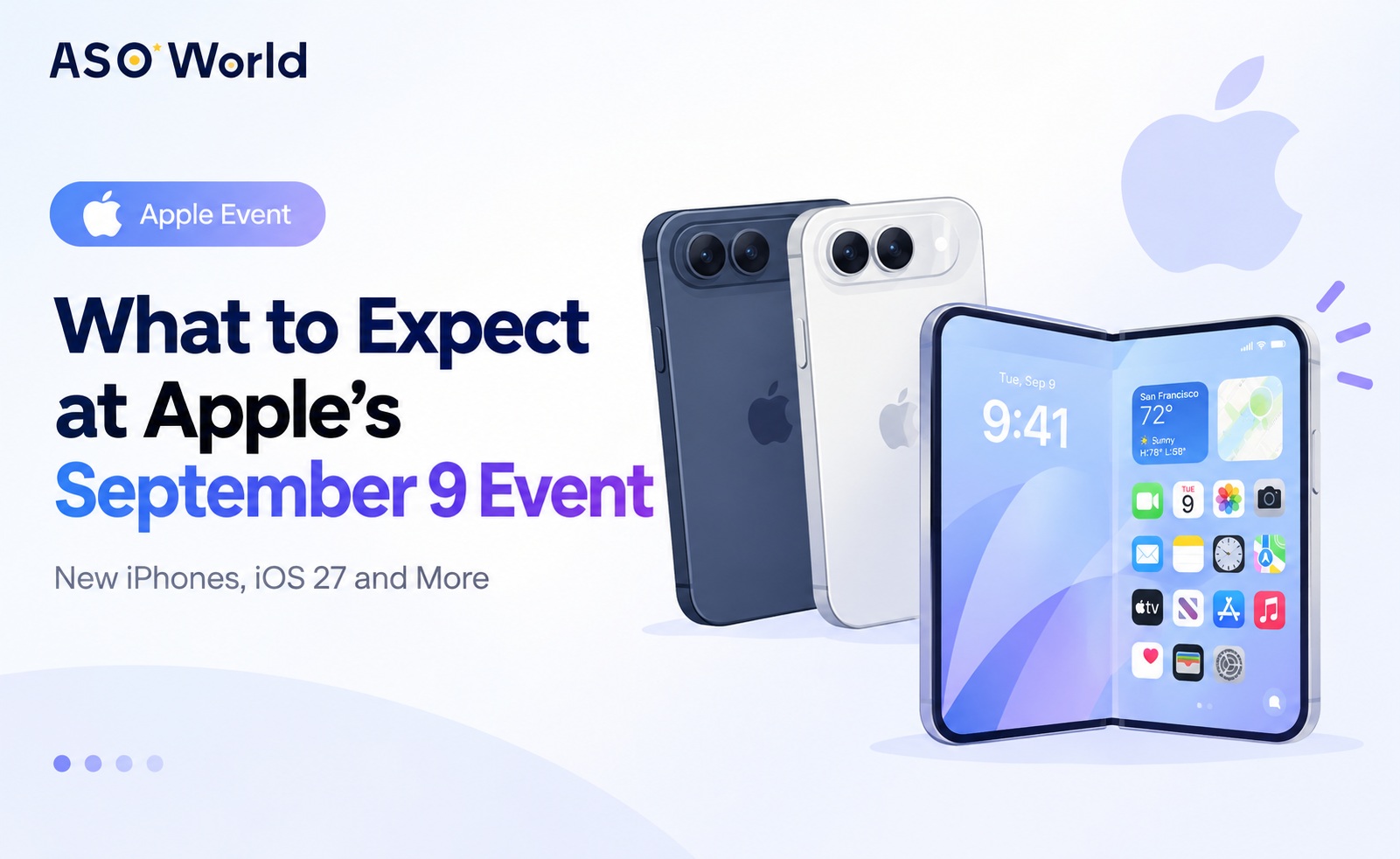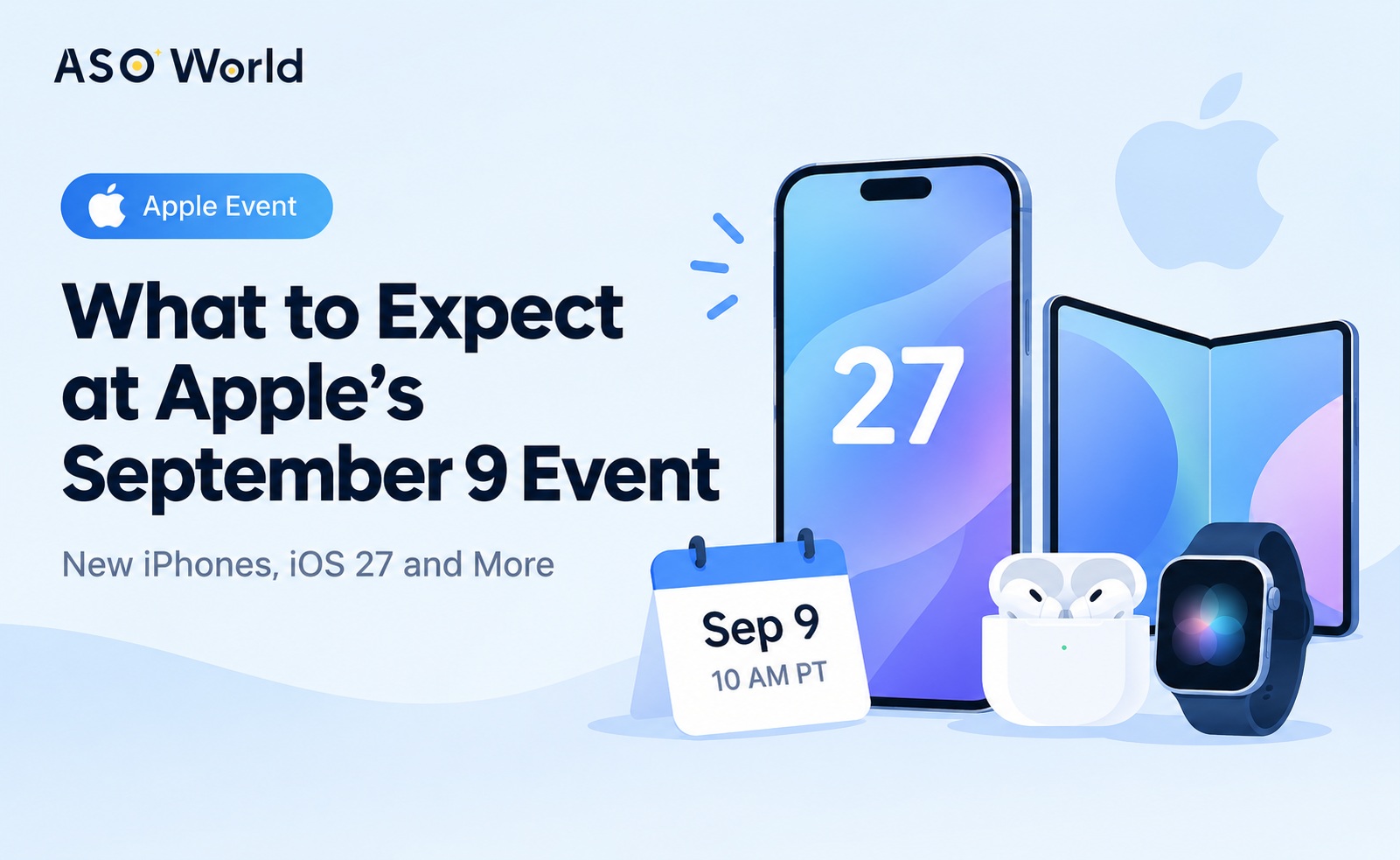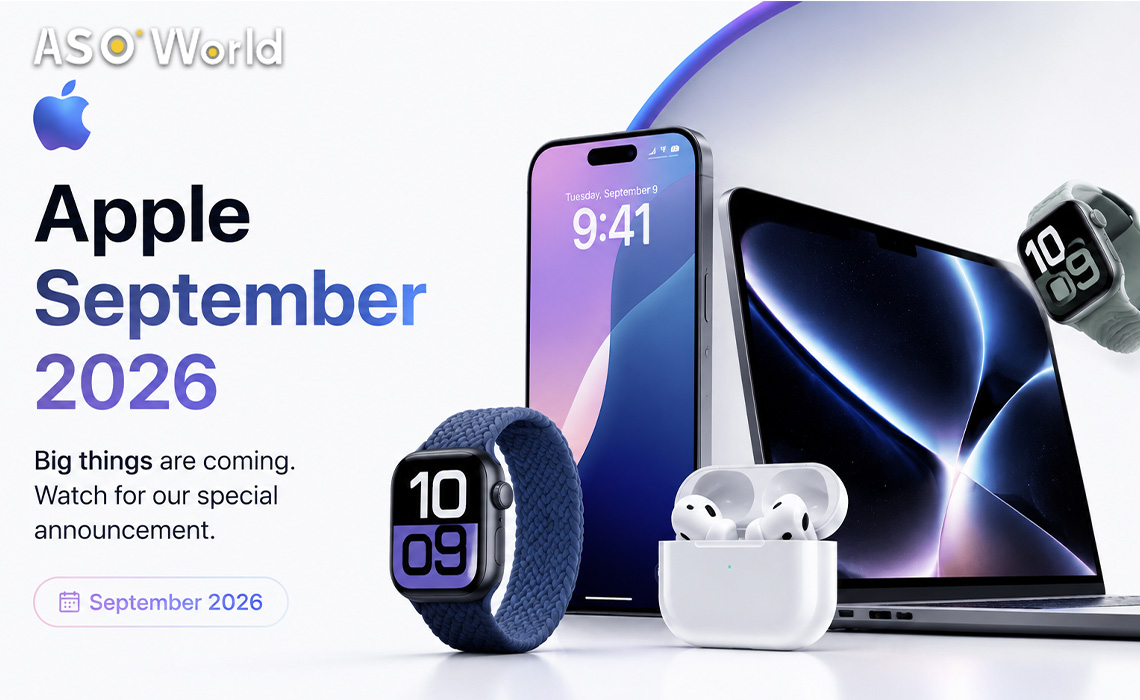

Сентябрьское мероприятие Apple 2026 года — уже через несколько недель, и впервые с 2017 года компания готовится представить genuinely новую категорию iPhone наряду с ежегодным обновлением Pro-линейки. Ожидается как минимум пять устройств: iPhone 18 Pro, iPhone 18 Pro Max, долгожданный складной «iPhone Ultra», Apple Watch Series 12 и Apple Watch Ultra 4. В том же окне выйдет iOS 27 — релиз, который наконец-то запускает Siri AI для широкой публики.
Apple не подтвердила дату. Но сигналы сместились от аналитических предположений к операционным доказательствам — компания начала внутренний набор персонала на мероприятие, что говорит о сроках больше, чем любая утечка из цепочки поставок. Этот обзор объединяет то, что ожидается, насколько уверенны каждое утверждение, и что окно запуска означает для iOS-разработчиков и команд маркетинга приложений, планирующих Q4.
Один важный момент, который стоит отметить сразу: это двухтрековый запуск. iPhone 18 Pro — это итеративное обновление с большими объёмами. iPhone Ultra — это имиджевое устройство с низкими объёмами и ограниченным предложением, которое может не дойти до покупателей до Q4. Эти два трека требуют разных маркетинговых календарей, и их смешение — самая распространённая ошибка планирования перед сентябрьским циклом.
Сентябрьское мероприятие Apple 2026: всё ожидаемое с первого взгляда
Таблица ниже разделяет то, что практически подтверждено, от того, что остаётся по-настоящему неопределённым. Воспринимайте колонку уверенности как вводную для планирования, а не как заголовок.
| Продукт | Ключевые ожидаемые изменения | Уверенность |
|---|---|---|
| iPhone 18 Pro | Чип A20 Pro на 2 нм, уменьшенный Dynamic Island, основная камера с переменной апертурой, дисплей LTPO+, модем C2, сетевой чип N2, цвет «Тёмная вишня» | Высокая — анонс точен, детали хорошо подтверждены |
| iPhone 18 Pro Max | Все улучшения Pro, плюс примерно на 10% больший аккумулятор и чуть более толстый и тяжёлый корпус | Высокая |
| iPhone Ultra (складной) | Внешний дисплей 5,5 дюйма и внутренний 7,8 дюйма, соотношение сторон 4:3, шарнир с минимальной складкой, два аккумулятора, две задние камеры, Touch ID вместо Face ID, 2 нм A20 | Средне-высокая на анонс, низкая на доступность в сентябре |
| Apple Watch Series 12 | Более быстрый чип S-серии, улучшения здоровья и фитнеса, возможно, больший аккумулятор. Изменений дизайна не ожидается | Высокая, но скромное обновление |
| Apple Watch Ultra 4 | То же поколение чипов, что и Series 12; более тонкий корпус и улучшенные датчики упоминались менее надёжными источниками | Средняя |
| Публичный релиз iOS 27 | Общедоступность Siri AI, расширение Apple Intelligence, темы вкладок Safari, естественно-языковые Напоминания и Календарь, расширение обоев | Высокая — уже в открытой бета-версии |
Когда состоится сентябрьское мероприятие Apple 2026? Среда, 9 сентября — основная дата
Самое весомое доказательство — не утечка, а служебная записка. Bloomberg сообщил 4 августа, что Apple открыла лотерею для розничных сотрудников в США на поездку в Калифорнию для поддержки сентябрьского мероприятия iPhone — обработка очередей, регистрация гостей и обеспечение безопасности. В этой записке Apple указала, что мероприятие пройдёт в первой половине сентября. Сотрудники должны подать заявки до 8 августа, уведомления о выборе — до 17 августа.
Этот единственный документ делает две вещи. Он подтверждает окно мероприятия от самой Apple, а не из цепочки поставок, а его сроки подачи заявок подразумевают, что мероприятие достаточно близко, чтобы потребовать кадровых решений в середине августа.
Календарь сужает окно ещё сильнее. День труда в США выпадает на понедельник, 7 сентября в этом году, что убирает обычный слот в начале недели, поскольку Apple исторически сохраняла рабочий день для поездок прессы и гостей. Вторник, 8 сентября возможен — вторник — самый частый день мероприятий Apple — но среда считается немного более вероятной именно по причине поездок. Прецедент 2015 года подтверждает это: в последний раз, когда День труда выпадал на 7 сентября в обычный год, Apple провела мероприятие iPhone в среду, 9 сентября.
Предполагаемый график запуска
| Веха | Наиболее вероятная дата | Альтернативный сценарий |
|---|---|---|
| Презентация | Ср, 9 сентября | Вт, 8 сентября или Вт, 15 сентября |
| Открытие предзаказов | Пт, 11 сентября или Сб, 12 сентября | Пт, 18 сентября |
| Розничный релиз | Пт, 18 сентября | Пт, 25 сентября |
| Публичный релиз iOS 27 | Около 14 сентября | Середина-конец сентября |
| Предзаказы iPhone Ultra | Q4 2026 — возможно, октябрь | Вместе с моделями Pro |
Один нюанс по предзаказам: в 2015 году, с идентичной календарной конфигурацией, Apple открыла предзаказы в субботу, 12 сентября, а не в пятницу, 11 сентября — что широко интерпретировалось как избегание годовщины 11 сентября. Если Apple повторит это решение, маркетинговые команды должны готовиться к всплеску предзаказов в субботу, а не в обычную пятницу.
iPhone 18 Pro и iPhone 18 Pro Max: знакомые снаружи, перестроенные внутри
Ожидается, что модели iPhone 18 Pro сохранят размеры дисплеев 6,3 и 6,9 дюйма и трёхкамерный корпус-«плато», представленный на iPhone 17 Pro. Масштабный внешний редизайн, как сообщается, прибережён для моделей следующего года в честь 20-летия. Изменения почти полностью внутренние.
Самые важные улучшения
- A20 Pro на TSMC 2 нм. A19 Pro — это 3-нм деталь, так что это полный переход на новый техпроцесс в сочетании с новой конструкцией упаковки. Ожидайте значительного прироста производительности и, что важнее, энергоэффективности.
- Уменьшенный Dynamic Island. Подсветка Face ID, по сообщениям, перемещается под дисплей. Вырез уменьшается, но не исчезает.
- Камера Fusion с переменной апертурой. 48-Мп основная камера получает физический контроль над количеством света и глубиной резкости — впервые для iPhone. Реальное влияние на качество съёмки пока неясно из-за маленького сенсора, и к маркетинговым заявлениям стоит относиться с осторожностью до появления обзоров.
- Дисплей LTPO+. Усовершенствованная технология энергоэффективного дисплея, которая, как ожидается, напрямую повлияет на время автономной работы.
- Модем C2 и 5G через спутник. Сообщается, что третий собственный модем Apple обеспечит спутниковый веб-сёрфинг без Wi-Fi или сотовой связи. Это самое стратегически интересное изменение в области связи за последние годы.
- Сетевой чип N2. Преемник N1, который управляет Wi-Fi 7, Bluetooth 6 и Thread. Конкретные улучшения пока неизвестны.
- Упрощённое управление камерой. Сообщается, что сенсорная чувствительность и тактильная обратная связь удаляются, остаётся только чувствительность к нажатию — редкий случай, когда Apple убирает слой взаимодействия.
- Переработанное заднее Ceramic Shield. Более матовая, бесшовная отделка, заменяющая текущий двухцветный вид.
- Цвета. «Тёмная вишня» как фирменная новая отделка, наряду со светло-голубым, тёмно-серым и серебристым. Ожидается, что «Космический оранжевый» и «Тёмно-синий» будут сняты с производства.
В этом году Pro Max физически отличается
Предполагаемые китайские регуляторные документы указывают на аккумулятор iPhone 18 Pro Max почти на 10% больше, чем у iPhone 17 Pro Max. Компромисс — корпус, который толще и тяжелее как своего предшественника, так и стандартного iPhone 18 Pro. После нескольких лет погони Apple за тонкостью намеренный разворот в пользу ёмкости аккумулятора — заметный сигнал о том, где, по мнению компании, сейчас находятся приоритеты пользователей.
Ожидайте более высоких цен
Сообщается, что обе модели Pro будут на $100–$200 дороже iPhone 17 Pro и 17 Pro Max. Apple уже подняла цены на Mac и iPad в этом цикле и, похоже, намеренно отложила повышение цен на iPhone до сентябрьского обновления. Для тех, кто моделирует изменения в структуре устройств: линейка Pro, стартующая с более высокой цены, в то время как доступный iPhone 18 переносится на весну 2027 года, означает, что сентябрьский покупатель будет более состоятельным и более мотивированным функциями, чем в обычный год.
iPhone Ultra: первый складной iPhone и проблема «сценария iPhone X»
Складной iPhone — который, как широко ожидается, будет называться iPhone Ultra — является главной новостью этого мероприятия и самым сложным элементом для планирования.
Ожидаемые характеристики
- Дисплеи: примерно 5,5 дюйма в сложенном виде, 7,8 дюйма в разложенном
- Соотношение сторон: 4:3 в разложенном виде, что делает открытый опыт ближе к iPad mini, чем к телефону
- Шарнир: конструкция, специально разработанная для минимизации видимости складки
- Чип: 2 нм A20 (не-Pro вариант)
- Аккумулятор: двухэлементная конфигурация
- Камеры: только два задних объектива — реальный шаг назад по сравнению с линейкой Pro
- Биометрия: Touch ID вместо Face ID, потому что корпус слишком тонок для массива TrueDepth
- Цена: примерно от $2 000 до $2 500, при этом аналитик Мин-Чи Куо оценивает $2 299–$2 499 в США
Анонсирован в сентябре, но, вероятно, поступит в продажу в Q4
Это деталь, которую большинство обзоров недооценивают. Куо сообщил, что производственные сложности ограничили раннее производство, и он ожидает, что Apple «повторит историю iPhone X» — представит устройство вместе с моделями Pro, а затем откроет предзаказы существенно позже, возможно, не раньше Q4 2026 года.
Прецедент 2017 года точен: Apple анонсировала iPhone 8, 8 Plus и iPhone X вместе 12 сентября, открыла предзаказы на iPhone 8 три дня спустя, и заставила покупателей ждать шесть недель до 27 октября для iPhone X. Куо также ожидает, что складной iPhone будет распродан мгновенно, а сроки ожидания составят от четырёх до шести недель и более.
Математика объёмов подчёркивает, насколько узким на самом деле является этот запуск. Ожидается, что поставщики отгрузят примерно 7–8 миллионов складных iPhone в 2026 году против 20–22 миллионов iPhone 18 Pro в совокупности. iPhone Ultra будет доминировать в обсуждениях, представляя при этом небольшую долю установленной базы.
Практический вывод: стройте под две отдельные волны. Оптимизируйте под аппаратное обеспечение iPhone 18 Pro и iOS 27 в сентябре, когда объём устройств и внимание достигают пика одновременно. Относитесь к работе, специфичной для складного устройства — многоконные макеты, развёрнутые холсты 4:3, непрерывность между внешним и внутренним экранами — как к треку с октября по декабрь, нацеленному на небольшую, состоятельную и очень голосистую группу пользователей, чьи обзоры непропорционально сильно повлияют на восприятие.
Apple Watch Series 12 и Ultra 4: тихий год
Ожидается, что оба часа будут представлены на сцене, и ни одни из них не будут впечатляющими. Series 12 должны получить более быстрый чип S-серии, доработки некоторых функций здоровья и фитнеса и, возможно, больший аккумулятор, при этом об изменениях дизайна не сообщается. Ultra 4 получает то же поколение чипов; DigiTimes заявляла о более тонком корпусе и улучшенных функциях датчиков, хотя послужной список этого издания недостаточно последователен, чтобы относиться к этому с полным доверием.
Примечательно, что Apple не планирует обновлять Apple Watch SE в этом году, что оставляет точку входа в линейку Watch неизменной перед праздничным кварталом.
Для команд приложений здоровья, фитнеса и сна год без значительных аппаратных изменений — не такой уж плохой результат. Это смещает конкурентное преимущество от погони за новыми датчиками в сторону глубины программного обеспечения на постоянно растущей установленной базе. Когда аппаратная история скудна, обновление, которое предлагает лучший коучинг, более чёткую визуализацию данных или более умный complication watchOS, — это то, что замечают.
iOS 27 и Siri AI: релиз, который меняет обнаружение приложений
Аппаратное обеспечение получит заголовки. iOS 27 изменит больше в том, как приложения на самом деле находят и используют.
Apple представила iOS 27 на WWDC26 в июне вместе с Siri AI, описанной компанией как «совершенно новая версия Siri», построенная на новой конфиденциальной архитектуре Apple Intelligence. Разработчики получили доступ к тестированию в июне, открытая бета-версия вышла в июле, а общий релиз ожидается около 14 сентября — в течение нескольких дней после запуска iPhone. Ожидается, что iOS 27 будет поддерживать iPhone 11 и новее, что является необычно широким диапазоном совместимости для такого насыщенного ИИ релиза.
Что на самом деле делает Siri AI
Три возможности имеют структурное, а не косметическое значение:
- Осведомлённость об экране. Siri может отвечать на вопросы о том, что в данный момент отображается на экране, включая содержимое вашего приложения.
- Понимание личного контекста. Siri может искать по сообщениям, электронным письмам и фотографиям пользователя, чтобы находить такие вещи, как ресторан, который порекомендовал друг, или подтверждение бронирования отеля, затерянное в старом письме.
- Широкие знания о мире. Siri может обращаться к интернету за актуальной информацией и генерировать синтезированный ответ, а также теперь есть специальное приложение Siri для просмотра разговоров на разных устройствах.
Строка, которую разработчикам стоит прочитать дважды: понимание личного контекста распространяется на сторонние приложения, когда разработчики интегрируются со Spotlight. Это граница интеграции. Приложения, проиндексированные должным образом, становятся частью поверхности ответов ассистента. Приложения, которые этого не делают, остаются для него невидимыми. Siri AI также поддерживает расширенные системные действия приложений, что означает, что пользователи всё чаще выполняют задачи, даже не открывая интерфейс приложения.
Другие функции iOS 27, заслуживающие внимания
- Расширение обоев и фото — Apple Intelligence генерирует содержимое изображения за пределами исходных краёв фото, чтобы оно заполняло экран блокировки без агрессивного кадрирования
- Темы вкладок Safari — открытые вкладки автоматически группируются в тематические коллекции
- Естественно-языковые Напоминания и Календарь — ввод «Забрать папу в 18:00 сегодня» автоматически заполняет дату, время и местоположение
- Встроенные ответы на RCS-сообщения от пользователей Android, которые в iOS 26 были ограничены потоками iMessage
- Расширенные пропуска Wallet с переработанным улучшенным опытом использования пропусков
- Работа над производительностью — Apple сообщает о более быстром запуске приложений, протестированном на оборудовании вплоть до iPhone 11 Pro Max
Стратегический сдвиг: когда ассистент отвечает на вопросы и выполняет действия в масштабе всей системы, иконка приложения перестаёт быть единственной точкой входа. Обнаружение начинает работать через интенты, индексацию Spotlight и структурированные метаданные, а также через поиск в App Store. Это не делает ASO менее важным — установочный намерение всё ещё конвертируется на странице магазина — но добавляет вторую поверхность, которую большинство команд ещё не настроили.
Что не запускается в сентябре 2026 года
Управление ожиданиями — половина ценности предварительного обзора. Следующее не ожидается на этом мероприятии:
- Стандартный iPhone 18. Базового iPhone 18 в сентябре не будет. Линейка намеренно сосредоточена на премиальных уровнях.
- iPhone 18e и iPhone Air 2. Они, наряду со стандартным iPhone 18, ожидаются примерно в марте 2027 года.
- Apple Watch SE. Обновления в этом году не ожидается.
- Mac и iPad. OLED iPad mini, M6 14-дюймовый MacBook Pro, M6 iMac, высококлассный OLED MacBook Pro с сенсорным экраном, новый Mac mini и новый Mac Studio — все они обсуждаются в контексте конца 2026 года, но крайне маловероятно, что появятся на мероприятии iPhone.
Отсутствие стандартного iPhone 18 до весны 2027 года — самое значительное структурное изменение для тех, кто прогнозирует внедрение устройств. В обычный год доступная модель формирует кривую объёмов, следующую за сентябрьским запуском. В этом году эта кривая откладывается примерно на шесть месяцев, что означает, что внедрение новых устройств в Q4 сильно смещается в сторону высококлассного оборудования — а волна массового внедрения приходится на весну.
Вероятное второе мероприятие: продвижение Apple в умный дом
У Apple необычно глубокая линейка домашнего оборудования в разработке, и в сентябрьской презентации iPhone для неё нет места. Второе мероприятие в октябре или ноябре выглядит правдоподобным, и выделенное мероприятие по умному дому имело бы стратегический смысл.
| Продукт | Что ожидается |
|---|---|
| Home Hub | Совершенно новое устройство с 7-дюймовым квадратным дисплеем для управления умным домом, фото, видеозвонков и отображения информации. Полная интеграция Siri AI и родные приложения Apple. Может выйти в 2026 году или быть отложено до начала 2027 года. |
| Apple TV 4K | Новый чип, больше оперативной памяти и новый сетевой чип. |
| HomePod mini | Более быстрый чип и новые цветовые варианты. |
| HomePod | Возможное обновление чипа для полноразмерной модели. |
| Камера умного дома | Собственная камера безопасности Apple, потенциально запускаемая вместе с Home Hub. |
Home Hub — это то, за чем стоит следить. Всегда включённый экран в доме с глубокой интеграцией Siri AI дал бы Apple первую серьёзную поверхность для амбиентных вычислений — место, где ассистент, а не сетка приложений, является основным интерфейсом. Если это устройство выйдет, такие категории, как медиа, умный дом, семейная организация и коммуникация, получат совершенно новый контекст для проектирования.
Оговорка по Apple TV: о нём сообщалось как о неизбежном неоднократно в течение нескольких лет, но он так и не материализовался, и скептицизм читателей в отношении этого конкретного продукта вполне обоснован.
Что окно сентябрьского запуска означает для разработчиков и маркетологов приложений
Каждый запуск Apple — это событие привлечения внимания не меньше, чем аппаратное событие. Интерес в поиске резко возрастает вокруг совместимости, производительности, образцов камер, функций ИИ, времени автономной работы и запросов «лучшие приложения для нового iPhone». Отличие в этом году в том, что три вещи происходят почти одновременно: новое премиальное оборудование, новая категория устройств и релиз ОС, ориентированной на ИИ.
Четырёхфазный календарь
| Фаза | Период | Приоритет |
|---|---|---|
| 1. До мероприятия | Сейчас до начала сентября | Завершить тестирование совместимости с iOS 27, проверить индексацию Spotlight и покрытие App Intents, подготовить креативные варианты, подготовить наборы ключевых слов для терминов, у которых ещё нет объёма |
| 2. Неделя презентации | 8–12 сентября | Быстро опубликовать заметки о совместимости, выпустить релиз, приуроченный к iOS 27, активировать контент вокруг подтверждённых функций, а не слухов |
| 3. Запуск и внедрение | С 18 сентября | Отслеживать конверсию по устройствам, итерировать скриншоты на основе реального поискового поведения, следить за сбоями и проблемами вёрстки на новом оборудовании |
| 4. Волна складных | Октябрь–декабрь | Выпустить поддержку макета iPhone Ultra, маркетинг для небольшой, но ценной аудитории, захватить возможность скриншотов развёрнутого холста на раннем этапе |
Где находятся конкретные возможности
- Приложения камеры, фото и видео. Переменная апертура — это genuinely новый творческий инструмент на iPhone. Если Apple откроет к нему доступ через API камеры, управление глубиной резкости станет отличительной особенностью, которую стоит поместить на первый скриншот.
- Приложения с ИИ-помощью. Чип 2 нм в сочетании с широким диапазоном совместимости iOS 27 делает выводы на устройстве более жизнеспособными. «Работает мгновенно, остаётся на вашем iPhone» обычно работает лучше, чем «быстрее» как сообщение.
- Приложения реального времени и Live Activities. Уменьшенный Dynamic Island сохраняет эту поверхность заметной для сценариев доставки, транспорта, спорта, таймеров, музыки и финансов.
- Игры и тяжёлые нагрузки. Больший аккумулятор Pro Max и более эффективный техпроцесс уменьшают проблемы с нагревом и батареей, которые вызывают отток пользователей в категориях с длительными сессиями.
- Приложения для путешествий, активного отдыха, логистики и безопасности. Если 5G через спутник действительно появится, как сообщается, офлайн-связь станет легитимным позиционирующим углом, а не сноской только для экстренных случаев.
- Всё со структурированным контентом. Интеграция со Spotlight — это цена входа в личный контекст Siri AI. Это наименее гламурный пункт в списке и, вероятно, самый эффективный.
Заметка по ASO: ошибка, которой стоит избегать, — это оптимизация под слухи. Метаданные, построенные вокруг неподтверждённых функций, могут не сработать, если название Apple будет отличаться от утечек — а название Apple — это то, что пользователи на самом деле будут вводить. Готовьте креативные варианты сейчас, а затем разворачивайте их на основе подтверждённой терминологии в течение 24–48 часов после презентации. Именно в этом окне выигрывается или проигрывается большая часть органического потенциала.
Общая картина: переходный год, замаскированный под обычный
Прочитайте отдельные слухи — и сентябрь 2026 выглядит обычным: обновление Pro, скромное обновление часов, новая ОС. Прочитайте паттерн — и происходит нечто более значительное.
Apple одновременно переходит на 2-нм кремний, берёт под свой контроль больше элементов стека связи с чипами C2 и N2, разворачивается от погони за тонкостью в пользу ёмкости аккумулятора, выпускает переосмысленного ассистента с системным охватом и представляет новый форм-фактор впервые почти за десятилетие. При этом компания отодвинула свою самую продаваемую доступную модель на весну 2027 года и подняла цены в премиальном сегменте.
Эти решения описывают компанию, оптимизирующую устройства, способные выдерживать тяжёлые, непрерывные, ИИ-ассистированные рабочие нагрузки — и готовую принять более узкую и дорогую сентябрьскую линейку, чтобы достичь этой цели. Складной телефон привлекает внимание, но более долговечное изменение — архитектурное: лучший кремний, лучший запас мощности и ассистент, позиционируемый как основной интерфейсный слой.
Для разработчиков и маркетологов вывод заключается в том, что самая ценная подготовка в этом цикле — не погоня за одной флагманской функцией. Это обеспечение того, чтобы ваше приложение было «читаемым» для системы — правильно проиндексированным, осведомлённым об интентах, эффективным на устройстве и готовым к холсту, который может складываться. Аппаратные циклы вознаграждают команды, которые распознали сдвиг за квартал до того, как он стал очевидным.

 Follow Us on Facebook