
On April 14, 2026, Apple faced intense backlash after pulling two malicious apps—Ledger Live and Freecash—from the App Store. These apps had been exploiting users, with the fake Ledger app draining millions in cryptocurrency and Freecash harvesting sensitive personal data. Combined, the two apps led to a staggering $9.5 million in user losses.
(Image credits: Sina)
Fake Ledger App Steals $9.5 Million in Cryptocurrency
Fraudulent App Scams Users Out of Digital Assets
Between April 7 and April 13, 2026, a fake Ledger app, Ledger Live, was available on the App Store, tricking users into revealing their cryptocurrency wallets. At least 50 users were affected, losing millions in Bitcoin (BTC), Ethereum (ETH), and other cryptocurrencies.
Among the biggest victims, three individuals lost over $9.5 million, including $3.23 million in USDT, $2.08 million in USDC, and $1.95 million in a mix of Bitcoin and Ethereum. The stolen funds were traced to suspicious addresses linked to KuCoin, a crypto exchange under scrutiny for money laundering. Apple has since removed the app, but the incident has raised serious questions about its app review process.
Freecash Harvests Sensitive Data
Data Harvesting App Misleads Users for Personal Information
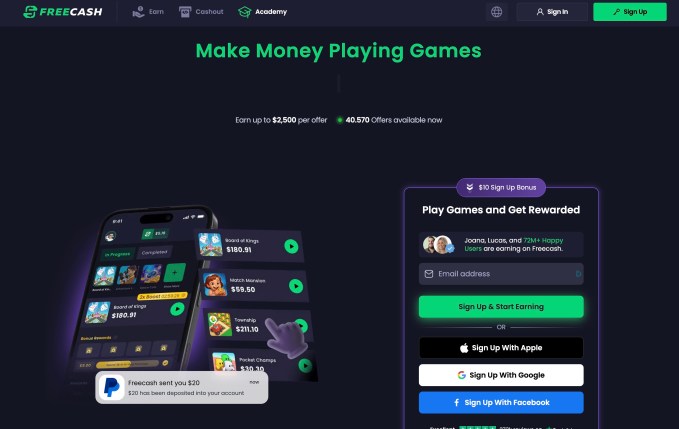
Freecash, another app pulled from the App Store, misled users by promising rewards for simple tasks like scrolling TikTok. In reality, Freecash was harvesting sensitive user data such as race, health, sexual orientation, and more, in exchange for in-game rewards.
Freecash became increasingly popular, promoting games like Monopoly Go and Disney Solitaire. Despite being previously removed in 2024, a rebranded version under a different developer account resurfaced, raising concerns about Apple’s ability to track app re-entries.
Comment:
Key Concerns About App Store’s Review Process
The removal of Ledger Live and Freecash highlights the ongoing flaws in Apple’s App Store review process. How did these fraudulent apps bypass Apple’s security systems, and what can be done to ensure similar incidents don't occur again?
The Ledger Live Scam: A Need for More Scrutiny on Cryptocurrency Apps
Given the high-value nature of cryptocurrencies, apps related to digital assets need more rigorous checks. The Ledger Live incident points to the growing need for tighter scrutiny to prevent apps that put users' finances at risk.
Freecash: A Wake-Up Call for Privacy and Data Protection
Freecash demonstrates how apps can exploit user data for financial gain. This incident highlights the need for stricter privacy regulations and more comprehensive app vetting to protect user information from misuse.
Can Apple Improve Its App Review System?
Apple’s app review process will likely be under scrutiny in the wake of these two incidents. The company may be forced to enhance its review mechanisms to prevent fraudulent apps from making it to the App Store.
For detailed insights, explore our latest article on boosting app ratings and reviews safely in 2026, covering effective user engagement tactics, review solicitation strategies, and compliance with App Store guidelines. 👉 How to Improve App Ratings & Reviews Without Risking App Store Penalties – Essential Tips for Developers
FAQ
How much money did the fake Ledger Live app steal?
The fake Ledger Live app caused a loss of $9.5 million from users, mainly in cryptocurrency.
What personal data did Freecash collect?
Freecash collected sensitive personal data including users’ race, health, and sexual orientation in exchange for rewards.
Why did Apple pull Freecash from the App Store?
Freecash was removed for misleading marketing and unauthorized data harvesting from users.
What steps will Apple take to prevent fraudulent apps in the future?
Apple has not provided full details, but it’s expected that the company will revise its app review process to ensure more secure and thorough vetting.

 Follow Us on Facebook